 Patience + Strategy = Swing Trade Success
Table of contents:
- Introduction
- What is swing trading
- What does swing trading mean?
- Swing trading strategy
- Best stocks for swing trading
- Swing trading tips for beginners
- Best indicators for swing trading
- Is swing trading profitable?
- Final thought
Introduction
When it comes to the financial markets, many traders find themselves caught between the fast pace of day trading and the patience required for long-term investing. That’s where swing trading comes in—it offers a balanced approach. Swing trading lets you take advantage of short to medium-term price moves without having to sit in front of charts all day.
In this easy-to-follow guide for 2025, we will break down everything you need to know about swing trading: what it is and how it works, top strategies to use, and the best stocks and options to consider. If you’re just getting started with trading, this is the perfect place to begin your journey
What is Swing Trading?
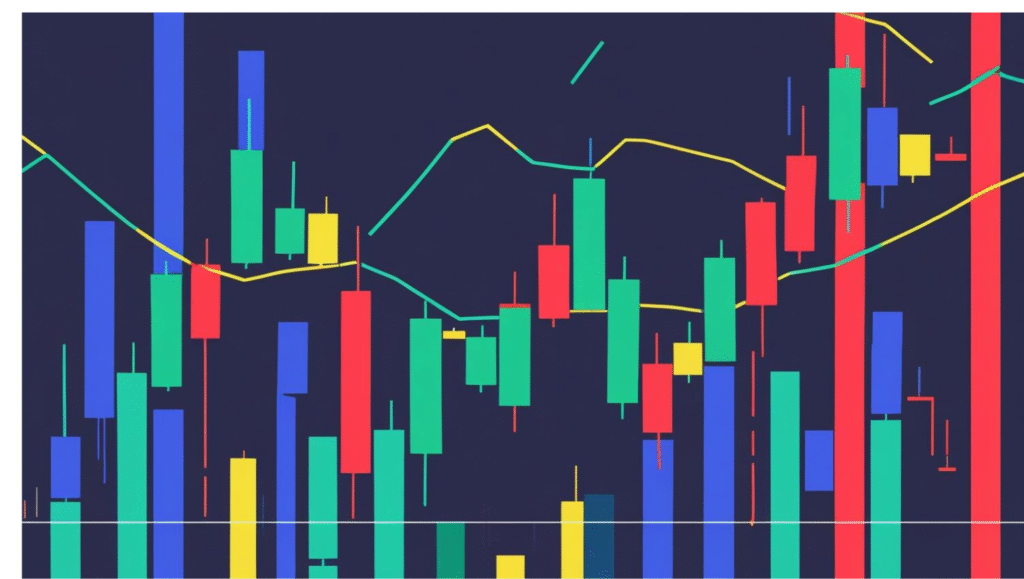
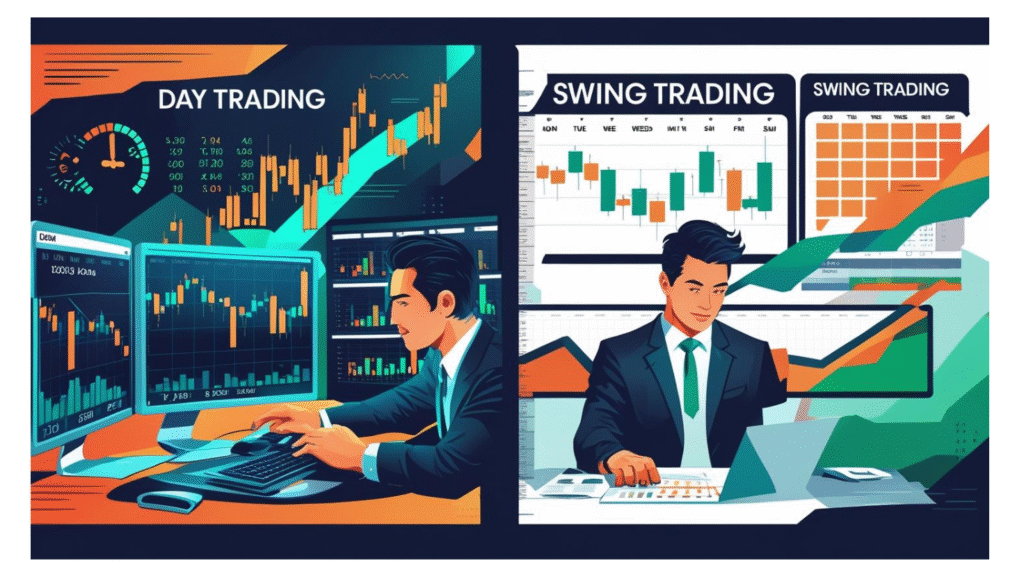
Swing trading is a way to trade in the stock market where you try to take advantage of short-term price moves. Instead of buying a stock and holding it for years like long-term investors, or buying and selling within minutes like day traders, swing traders aim to hold a position for a few days, or sometimes a couple of weeks.
You can think of it like this: the price of a stock doesn’t move in a straight line. It goes up and down in waves, kind of like a heartbeat. Swing traders try to jump in during the “up” part of that wave and get out before the price starts to fall again.
Now, many swing traders utilize tools such as technical analysis (which involves reading charts and identifying patterns) or fundamental analysis (examining company news, earnings, and announcements) to determine when to enter or exit a trade.
But if all of this sounds unfamiliar, don’t stress! If you’re brand new to trading and have no idea what technical or fundamental analysis even means, you’re in the right place. We’ll break all of that down in upcoming articles in a way that’s easy to understand.
The great thing about swing trading is that it doesn’t take up your whole day. You don’t have to watch the markets every minute. It’s ideal if you want to trade part-time, perhaps alongside work or studies, and still capitalize on good market opportunities.
What Does Swing Trading Mean?
Swing trading gets its name from the idea of “swinging” with the natural price movements in the market. Prices don’t just go straight up or down—they rise and fall in short bursts. These movements are what traders call “swings.”
A swing trader’s goal is simple: jump into a trade when the price starts moving in a certain direction, then exit before it changes course. You’re not trying to hold onto something for months, just long enough to catch a piece of the move, whether it’s a few days or a couple of weeks.
One of the great things about swing trading is that it works in many markets. Whether you’re trading company stocks, currency pairs in forex, digital coins like Bitcoin, or even commodities like gold, you can apply the same swing trading approach.
At its core, swing trading is about spotting short-term momentum and using it to your advantage. It’s a flexible, practical style for those who want to stay active in the market without being tied to a screen all day.
Swing Trading Strategy – A Simple Guide for Beginners
Swing trading isn’t about making random decisions or guessing where the market will go. It’s about having a plan you can trust, even when things don’t go as expected. If you’re just starting, here’s a clear and easy approach to building a swing trading strategy from the ground up.
- Recognize the Direction the Market is Moving
Before you decide to trade, take a look at how the market or the stock has been behaving. Is it rising overall? Falling? Or just moving sideways without a clear path? You want to trade in the same direction the price is already going. That means buying during an upward phase or selling if the trend is downward. Avoid going against the flow. - Use Basic Tools to Help You Decide When to Enter and Exit.
You don’t need to be an expert to use simple tools that can help you make smarter choices. For example:
- Moving averages show you the average price over a period and help spot trends.
- RSI tells you when a stock might be going too high or too low too quickly.
- MACD can help you notice when momentum is changing direction.
Start with just one or two tools. As you practice, you’ll learn which ones work best for you.
- Mark Important Price Areas
Some price levels tend to act like invisible walls. When a stock falls to a certain level and then starts going up again, that’s called support. If it keeps hitting a high point and falling back, that’s resistance. Buying near support and selling near resistance can help you make better trades. These zones are helpful because they often show where buyers or sellers are likely to step in. - Look for Patterns That Happen Often
Certain shapes on price charts appear again and again. These are not just random—they can give clues about what might happen next. For example, a small pause in an upward move can lead to another rise. A shape that looks like a peak followed by a drop might mean the price is about to fall. Patterns aren’t promises, but they give you helpful hints when used with other parts of your strategy. - Don’t Ignore the Risk
No strategy works every time. That’s why it’s important to limit how much you’re willing to lose on each trade. Before entering, decide what the most you’re okay with losing, and set a stop-loss at that point. Also, know when to take your profit. If you try to wait too long, hoping for more, you might end up with nothing. A steady and safe approach usually wins over time.
Best Stocks for Swing Trading (2025)
Not all stocks are good for trading; you must consider those that have these features.
- High trading volume( lots of activity)
- Price movement(volatility)
- Clear chart patterns
- Regular news or earnings events
Here are hot picks for 2025:
- Tesla (TSLA) – Always in the news, lots of movement.
- Nvidia (NVDA) – A tech giant with strong trends.
- Apple (AAPL) – Reliable, but still moves enough for trades.
- Rivian (RIVN) – An EV stock with lots of potential.
- Coinbase (COIN) – Tied to the crypto market, very volatile
Before jumping in, take time to study each chart and understand the patterns
Swing Trading Tips for Beginners.
Just getting started? Follow these beginner-friendly tips:
- Practice first: use a demo account to try things out without risking your real money
- Keep it simple: focus on one or two stocks at a time.
- Use Daily and 4-Hour Charts: These timeframes are ideal for swing setups.
- Keep a Trading Journal: Document your trades and learn from your mistakes.
Set Realistic Expectations: Don’t aim to

Best Indicators for Swing Trading
When you’re swing trading, making the right decision often comes down to timing. That’s where indicators come in they’re like tools on a dashboard that help you make sense of where a stock’s price might be headed next. You don’t need to use all of them at once, but knowing how a few work can give you a big advantage.
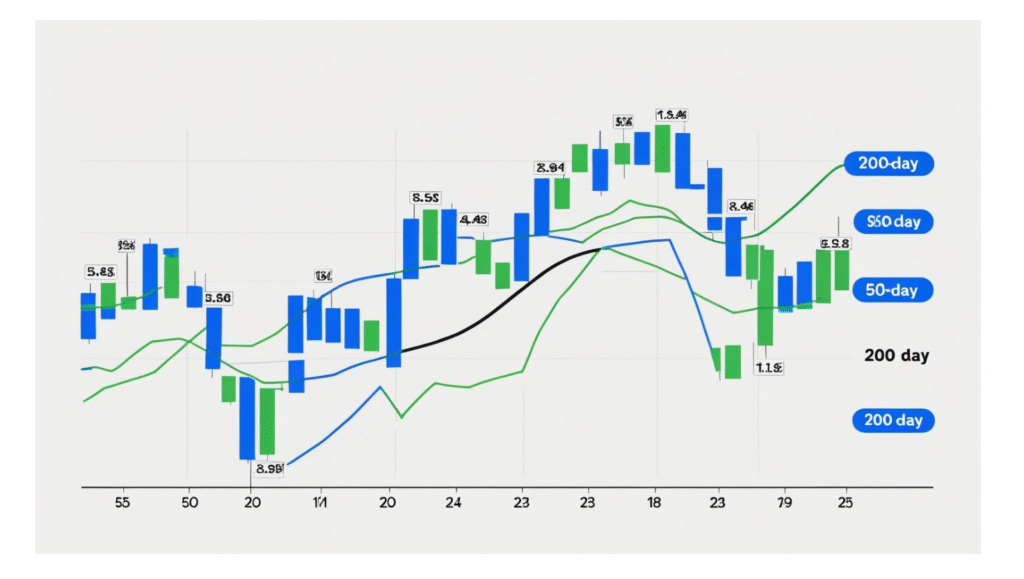
- Moving Averages
- This is one of the simplest yet most useful indicators. A moving average smooths out price data to show the general direction a stock is moving. For example, if the 50-day average is going up, the stock is likely in an uptrend. It helps you filter out short-term noise.
- MACD (Moving Average Convergence Divergence)
- Sounds complex, but it’s basically a way to spot when a trend might be gaining or losing strength. When the MACD lines cross, it often signals that a price move is about to start or slow down. It’s popular for timing entries and exits.
- RSI (Relative Strength Index)
- RSI helps you figure out whether a stock might be rising too fast (and due for a drop) or falling too hard (and ready to bounce). It gives a number between 0 and 100. If it’s above 70, the stock might be overbought. Below 30? It might be oversold.
- Bollinger Bands
- These are like price “boundaries” that expand and contract based on volatility. When the bands get tight, a breakout might be coming. When they widen, it often means the price is moving fast. Traders use them to spot potential reversals or strong trends.
- Volume
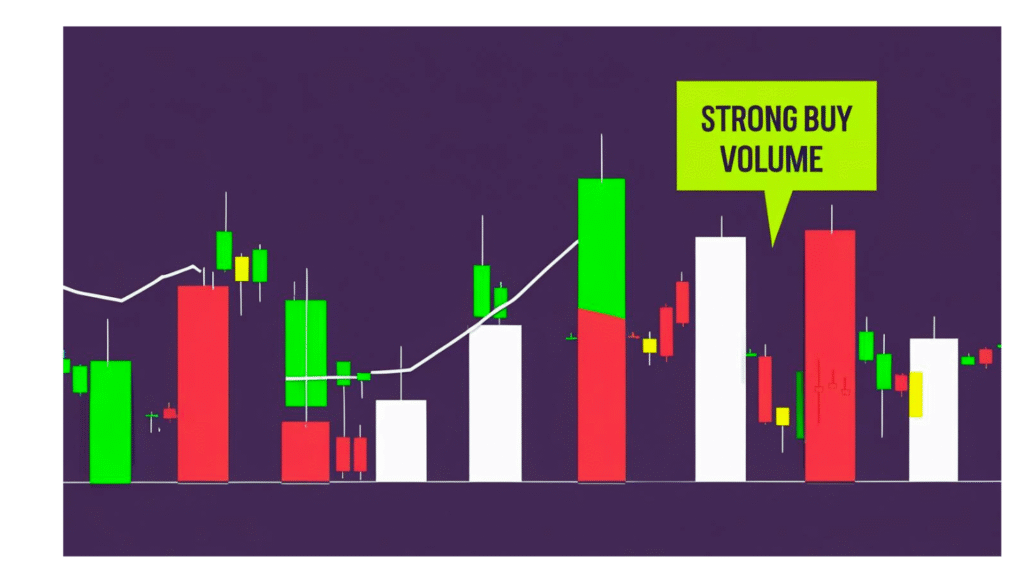
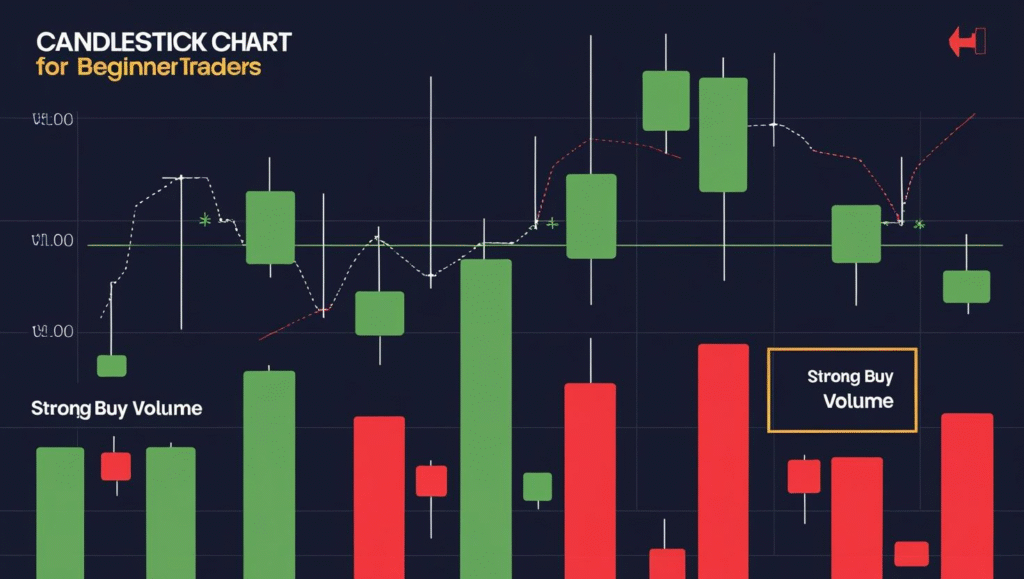
- Volume simply shows how many shares are being traded. High volume during a move often means that the move is strong and backed by real interest. If the price is rising but volume is weak, the move might not last.
- A Quick Tip
- No single indicator works all the time. But when you combine two or more—like moving averages with RSI—you get stronger signals and more confidence in your trade
Swing Trading Profitable?
If you treat it like a business, not a game.
- Here’s what affects your profits:
- How often do you trade
- How many wins vs losses do you have
- How much do you risk per trade
What the market is doing overall
Many swing traders make consistent profits over time—some even earn 10–30% a year or more. But it takes discipline, patience, and smart risk management

Final Thoughts
Swing trading can be a great way to grow your money without the pressure of day trading or the long wait of investing. In 2025, with so many online tools and resources, getting started is easier than ever

To recap:
- Learn what swing trading is and how it works
- Build a simple, solid strategy
- Pick the right stocks
- Use technical indicators
- Practice before going live
- Stay consistent and don’t let emotions take over