

Introduction
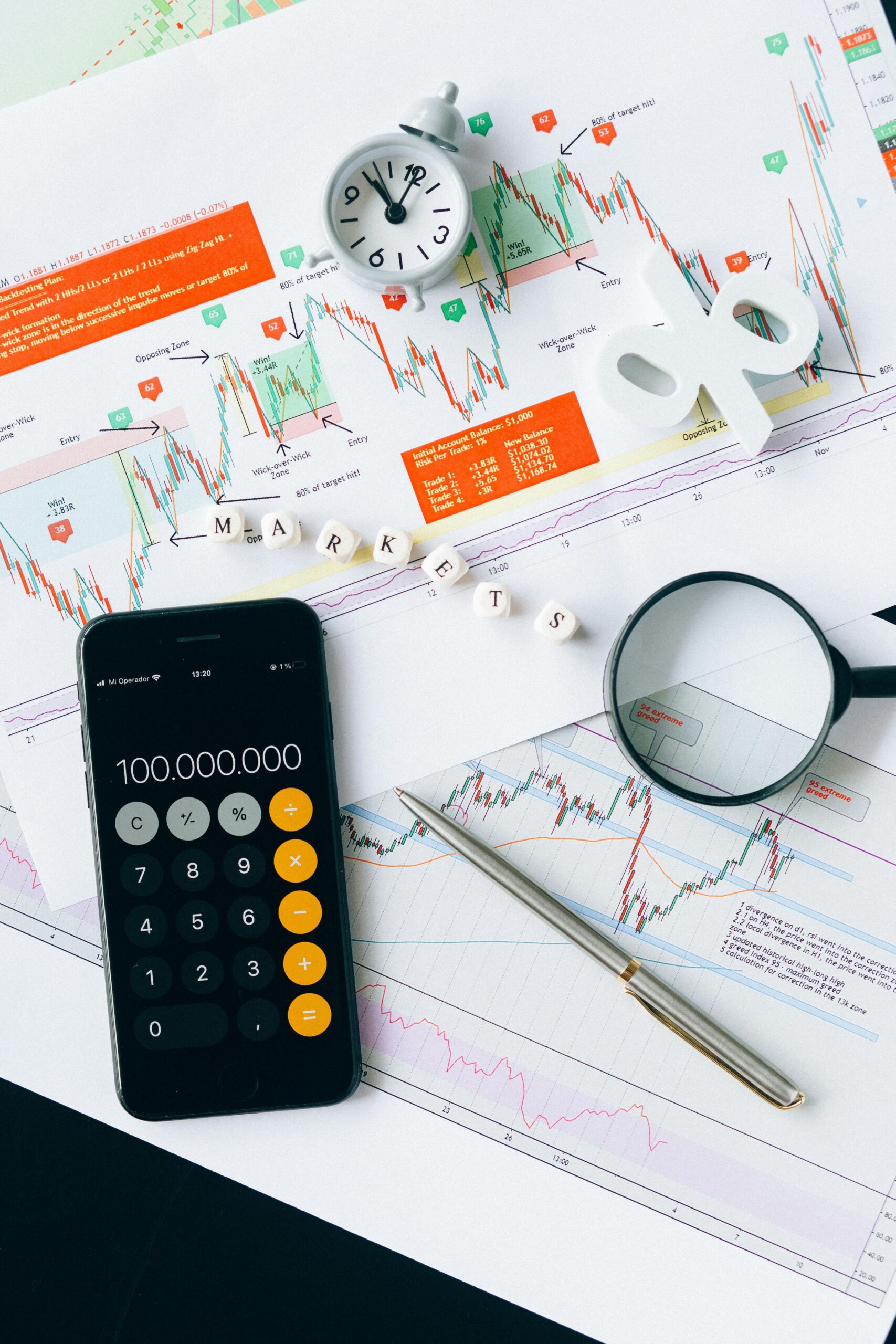
The forex market is the simplest and easiest to trade, in all the markets that exist today. However, when we are in the market and try to buy or sell our capital, we sometimes get the opposite results from what we expect. It’s no wonder that 90% of the traders lose their money due to false breakouts, bad decisions, psychological issues, and many more.
The question is, then, how professional traders trade every day and consistently generate more profit than retail traders. Let’s study the 15 secrets of the forex market. Professional traders use these forex trading secrets that I’m going to discuss.
Trading Is a Game of Probabilities, Not Certainty
The number one forex trading secrets is the game of probabilities.
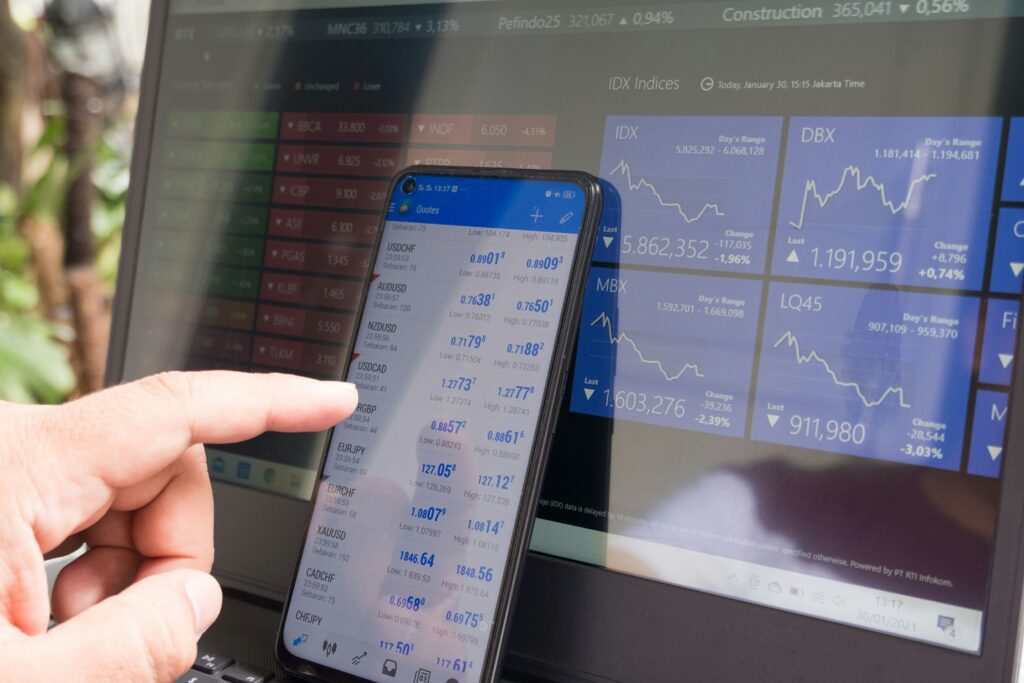
If you are trying to figure out the 100% results in the forex market, it would be bullshit because 100% accuracy doesn’t exist in the forex market. Every professional trader knows that every trade is just a probability. The market is not in our control, but we can control it by managing our trades in proper way.
Pros focus on risk-to-reward, setup quality, and consistency. They don’t chase trades or expect perfection. They play high-probability hands and manage their downside.
The goal is not to be right all the time — the goal is to make more when you’re right than you lose when you’re wrong.
Liquidity Pools Are Where Smart Money Traps You
The second forex trading secrets is how to identify liquidity. How to keep yourself away from it?
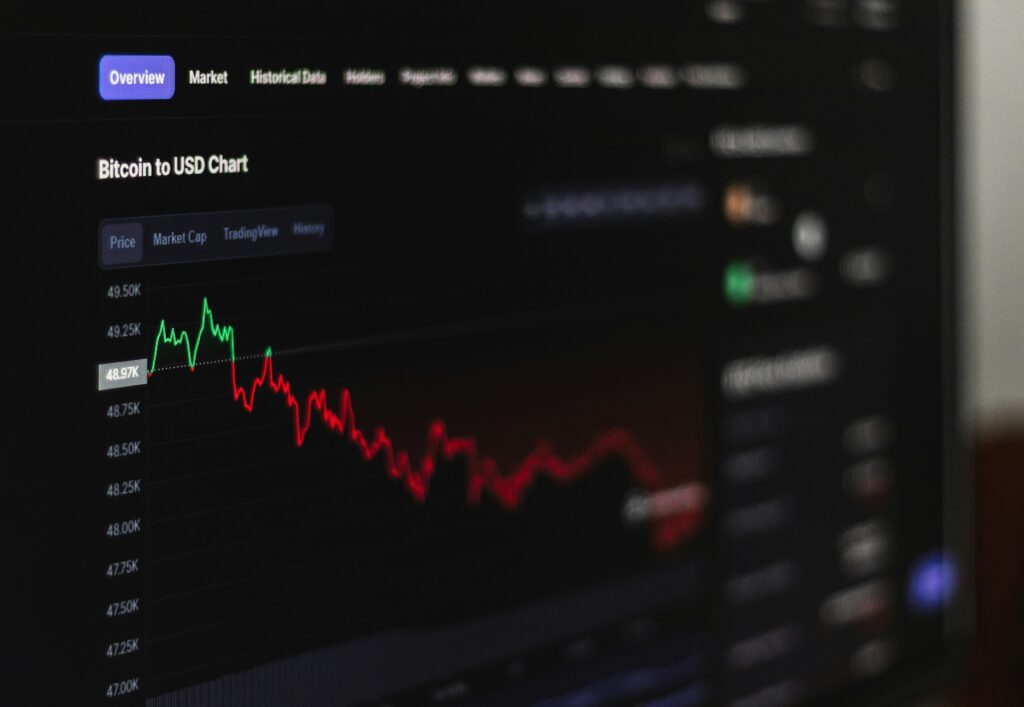
Ever notice how the market often hits your stop-loss before going in your favor? That’s not random — it’s by design.
Big players like banks and institutions need liquidity to enter trades. They find that liquidity:
- Below support levels
- Above resistance levels
- Around psychological numbers (like 1.2000)
So they push the price into those zones, trigger stop-losses and trap breakouts, then reverse the market. That’s a liquidity hunt, and it’s how the pros bait retail traders.
How to Protect Yourself:
Wait for fakeouts, then trade the real move after the trap. Be patient. Let smart money do its thing — and then follow them
Price Always Moves to Collect Orders First
The third forex trading secrets.
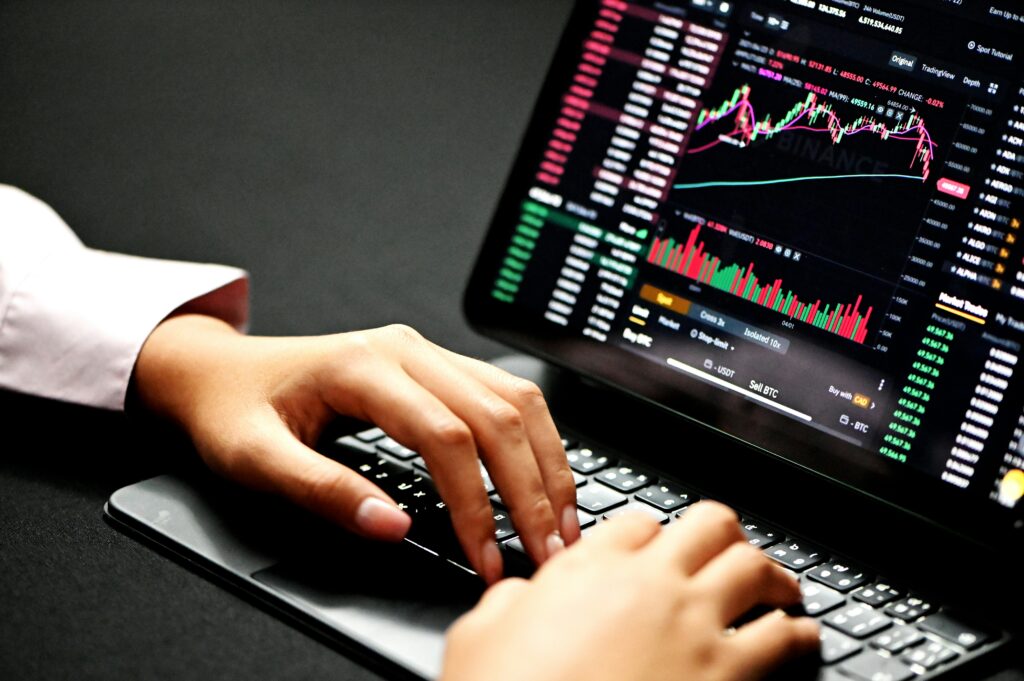
Before a real move happens, the price often collects orders — it’s called a manipulation move or order grab.
Institutions use this tactic to:
- Trigger pending orders
- Grab retail stop-losses
- Fill their massive positions at good prices
For example, in a downtrend, the price might spike up quickly before dropping hard. That spike isn’t random — it’s smart money collecting sell orders.
Pro Tip:
Watch for quick reversals after false breakouts. That’s often the smart money entering the market.
Most Indicators Are Lagging Tools
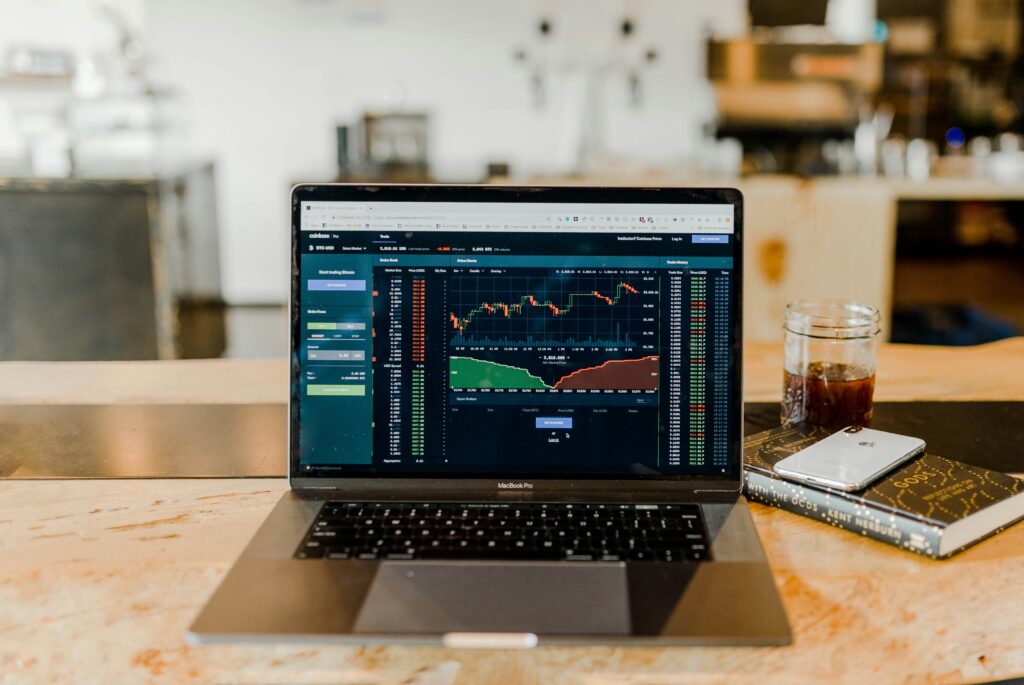
The fourth and powerful forex trading secrets is the lagging indicators on which 90% of the people rely.
If you’re relying on RSI, MACD, or Stochastics to tell you when to enter a trade, you’re already late.
These tools are lagging indicators. They tell you what has already happened, not what’s coming next.
Pros may use indicators as confirmation tools, but they base decisions on:
- Price action
- Market structure
- Support/resistance
- Volume behavior
What to Use Instead:
Clean charts. Watch candles. Understand the market story, not just the signals.
Trading Psychology Matters More Than Strategy
This might be the biggest forex trading secrets of all. The market doesn’t beat you — you beat yourself.
Every trader has faced this:
-
You win a trade, get overconfident, and then lose the next three
-
You lose a trade, feel angry, and force the next setup
-
You skip journaling because it feels “boring” — then repeat the same mistakes
Pros know their biggest enemy is their own emotion. They treat trading like a business. They use:
-
Journals to track setups and mistakes
-
Mental checklists before entering a trade
-
Strict routines to keep discipline
Want to Level Up?
Master your emotions. Build a system. Stick to it, win or lose.
News Creates Volatility, Not Direction
The next forex trading secrets is also very important. News events like NFP, CPI, and interest rate announcements are often seen as “trend-defining.” But professional traders don’t trade the news itself — they trade the reaction.
The market is a forward-looking machine. It prices in expectations before the news even hits. When the actual numbers come out, the move is usually short-term volatility rather than a directional trend.
What beginners do:
-
Enter impulsively after a big news candle
-
Forget stop-loss placement
-
Get caught in whipsaws
What pros do:
-
Avoid trading during major news
-
Wait for the initial spike, then look for fades or reversals
-
Use news to confirm or trap weak hands before real entries
Pro Tip: If you’re unsure, don’t trade news days — volatility can be deadly if you’re not experienced.

Risk Management Is the Real Holy Grail
Every beginner asks, “What’s the best strategy?” but professionals all say the same thing:
“Risk management is the only strategy that guarantees survival.”
It doesn’t matter how good your strategy is — if you’re risking 10–20% of your account on a single trade, you’re one bad day away from blowing it all.
Here’s how pros manage risk:
-
Risk 1–2% per trade, maximum
-
Use a fixed risk-reward ratio like 1:2 or 1:3
-
Accept small losses as a cost of doing business
Example:
-
Risking $20 on a $1,000 account
-
Looking to gain $40 (1:2 RR)
-
Losing 3 trades and winning 2 still makes you profitable
That’s how they stay consistent over months, not just days.
Timeframes Tell Different Stories
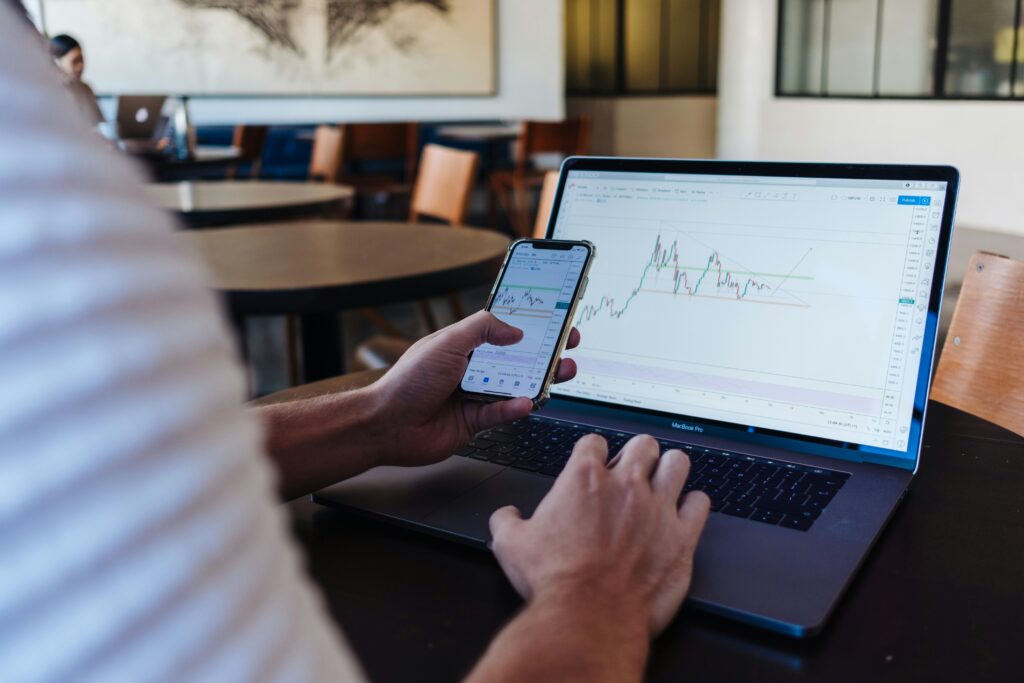
This is the forex trading secrets I like personally. Beginner traders often stick to just one timeframe (like the 5-minute chart) and miss the bigger picture. Pro traders, however, use multi-timeframe analysis to make smarter decisions.
A trend on the 1-hour chart might be a simple pullback on the 4-hour or daily chart. If you’re trading against the higher-timeframe bias, you’re probably on the wrong side.
Pro strategy:
-
Use the Daily or H4 to understand the trend
-
Use H1 or M15 for setups
-
Use M5 or M1 for sniper entries (if needed)
This helps filter bad trades and gives more context to every setup. The more aligned your timeframes are, the higher your probability of success.
Support and Resistance Are Zones, Not Lines
These forex trading secrets is not used by the traders properly. Retail traders love to draw horizontal lines and expect precise bounces. But the market isn’t that clean — professionals treat support and resistance as zones or areas, not exact price points.
These zones represent areas where orders are clustered, where buyers or sellers showed interest previously. Price often wicks through these levels before reversing — that’s not a failure; it’s a trap.
How to use zones like a pro:
-
Draw rectangles instead of lines
-
Give the market breathing room
-
Watch how candles behave inside the zone, not just at the edge
Think of support and resistance as battlefields, not fences.
Smart Money Waits for the Retest, Not the Break
Breakouts are some of the most traded setups by beginners — and also the most faked out.
Why?
Because institutions love to trigger breakout orders, cause a quick spike, and then reverse the price. Pro traders avoid this trap by waiting for a retest after the breakout.
Example:
-
Price breaks above resistance
-
Retail traders jump in
-
Price pulls back to retest old resistance as support
-
That’s where smart money enters
This method is safer, more accurate, and often comes with tighter stop-loss levels.
Discipline pays. Impulse punishes
Weekend Gaps Often Fill — Here’s Why
Have you ever opened your charts on a Sunday night and seen a sudden price gap?
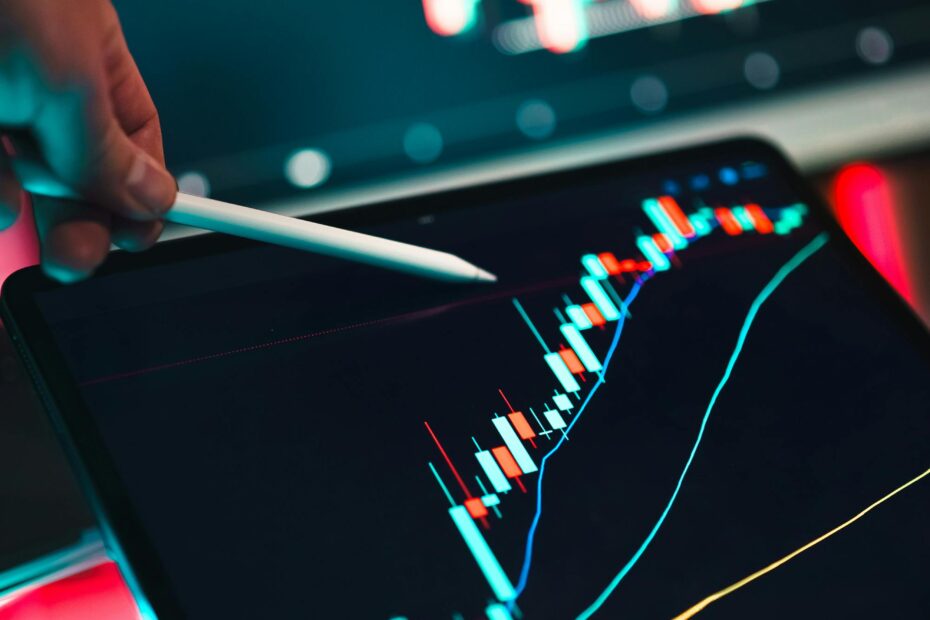
That’s a weekend gap — the difference between Friday’s close and Sunday/Monday’s open. While not guaranteed, professional traders know that most gaps fill within the early part of the week.
Why gaps happen:
-
News over the weekend
-
Market rebalancing
-
Low liquidity at open
Pro insights:
-
If the gap forms near a key level or within a trend, there’s a higher chance it will fill
-
Wait for confirmation — don’t trade the gap blindly
-
Set a tight stop; gaps can continue in the wrong direction before filling
Gaps are like open tabs in the market — eventually, someone comes to close them.
Volume Profile Reveals Hidden Market Moves
While most retail traders focus on candles and indicators, pros also use volume profile tools to identify high-activity price levels.
The volume profile shows where the most trading happened — these areas act as strong support/resistance zones and price magnets.
Key terms to know:
-
POC (Point of Control): Highest volume area
-
High Volume Node (HVN): Price spent a lot of time
-
Low Volume Node (LVN): Weak area, price often slices through
Pro traders look for:
-
Price returning to POC after a breakout
-
Price rejecting low-volume areas
-
Trade setups near value areas
Want to think like institutions? Start tracking where the money really moved — not just where the price was.

Most Traders Lose Because They Trade Too Much
Overtrading is one of the silent killers in forex.
Many beginners think more trades = more profit. But pro traders know that quality > quantity.
They wait patiently for:
-
High-probability setups
-
Clean confirmations
-
Confluence across timeframes
Why overtrading happens:
-
Boredom
-
Fear of missing out (FOMO)
-
Revenge trading
What pros do instead:
-
Set a maximum trade limit per day/week
-
Only trade when market conditions are favorable
-
Take breaks — trading less often means trading better
One great trade a week is better than ten random ones a day.

Conclusion: Think Like a Pro, Trade Like a Pro
The forex market is not random — but it is ruthless to the unprepared.
If you want to trade like a professional, you need more than just a flashy strategy. You need discipline, patience, risk control, and the ability to stay calm under pressure.
These 15 secrets aren’t just tips — they’re the mindset and methods that separate the consistently profitable from the constantly frustrated.
Start applying these today, and you’ll be miles ahead of most retail traders.
FAQs
1. What is the #1 reason most forex traders fail?
Lack of risk management. Even a great strategy fails if you risk too much or overtrade.
2. How long does it take to become a consistently profitable trader?
It varies, but most professionals say 6–12 months of focused practice, journaling, and review is needed to build consistency.
3. Can I trade forex successfully without indicators?
Yes. Many pros trade using price action, market structure, and volume alone.
4. How many trades should I take in a week?
There’s no fixed number, but 1–5 high-quality setups per week are enough for many professionals.
Lack of risk management. Even a great strategy fails if you risk too much or overtrade.
It varies, but most professionals say 6–12 months of focused practice, journaling, and review is needed to build consistency.
Yes. Many pros trade using price action, market structure, and volume alone.
There’s no fixed number, but 1–5 high-quality setups per week are enough for many professionals.

Pingback: "Day Trading For Beginners: Proven Strategies To Maximize Your Daily Profits"