

Introduction
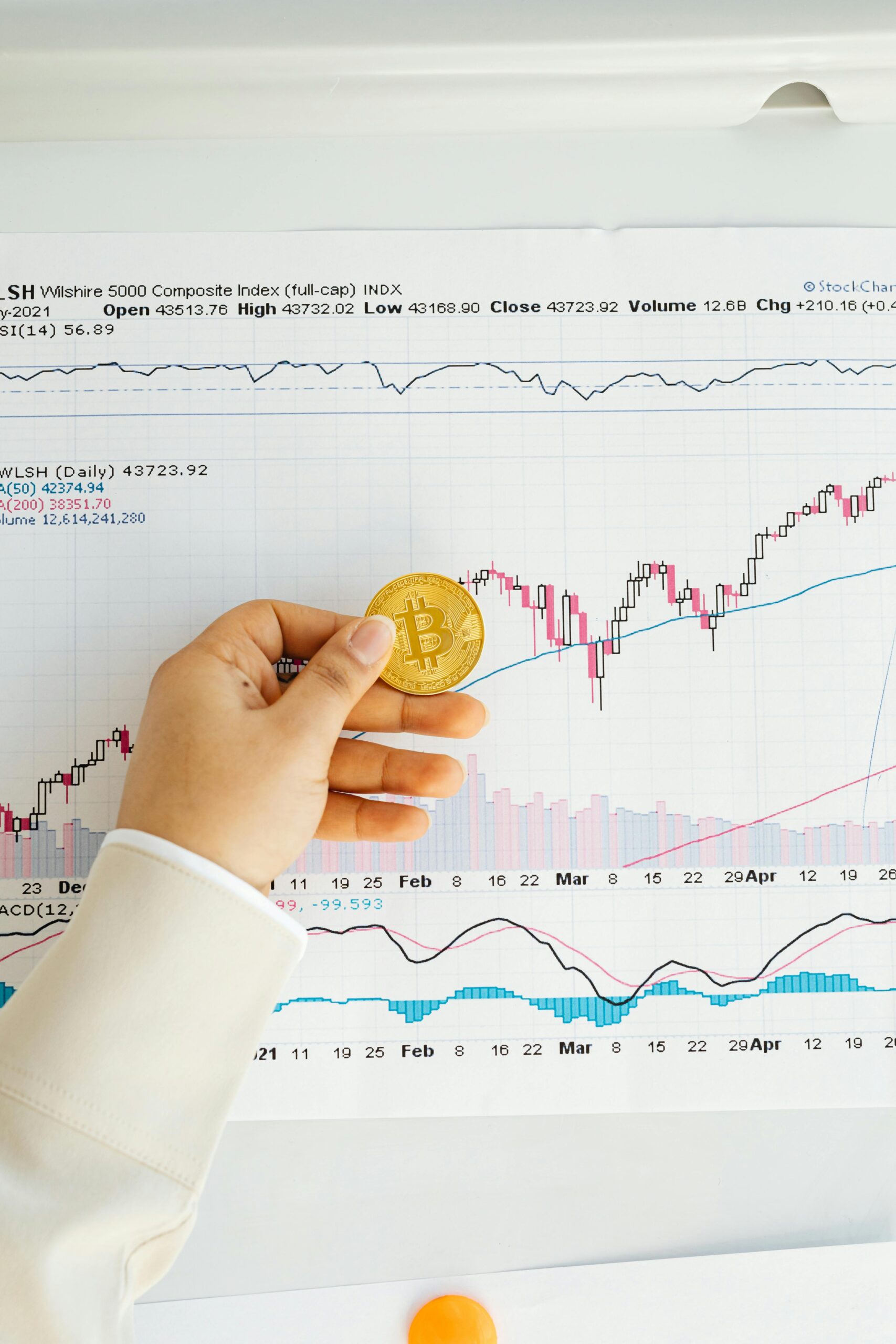
Day trading can appear thrilling: fast charts, quick decisions, and the potential for instant profit. But beneath the surface lies a world of intense focus, precise execution, and tough lessons.
Day trading can look captivating: it includes quick charts, rapid decisions, and instant profits. But the reality is that it includes several factors like knowledge, discipline, and proper strategy.
Every new retail trader thinks that day trading is a shortcut. But the reality is the opposite of this.
It’s all about mastering the proper way of trading, making your strategy, and risk management. This guide won’t promise easy money methods. But it will teach you the most effective day trading strategies and the best ways and rules that will teach you how to become successful in your day trading journey.
Day trading is a serious business; it’s not as easy as everyone thinks it.
Let’s dive into our day trading journey and master the tools.
What Is Day Trading?
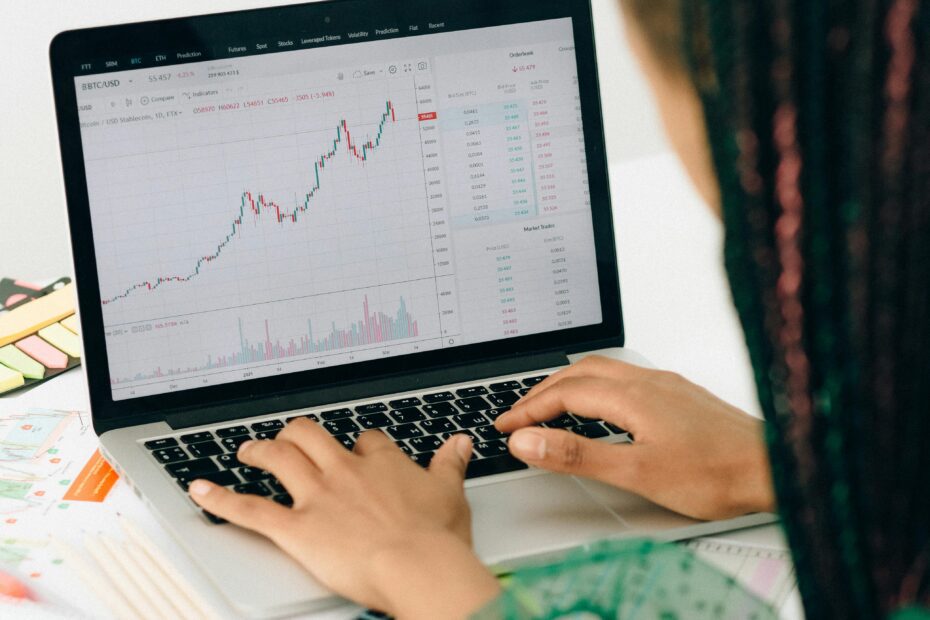
Day trading is also a profession, just like the medical and engineering. It is the process in which every retail trader learn and masters the tools, software, and knowledge that is necessary for day trading. Every retail trader needs to provide countless hours, dedication, and effort to understand the market and its changes.
- Day trading is just like opening your own business, for example, you opened a restaurant. You are the person who will be responsible for every profit and loss of your business. Every day trader needs to get up early in the morning before the market opens and he/she has to build the strategies, tools to enter the trade. This same thing happens when you are running the restaurant. You have to come to your restaurant first, and you have to prepare everything before the opening of the restaurant.
- Day trading is so easy once you master it. Every successful day trader is capable of making $2000 to $5000 daily, which is a good amount rather to a doctor or an engineer.
- Day trading provides you with leverage to work from anywhere and anytime. In the remaining time, you are capable of enjoying yourself with your family and friends.
How does day trading work?
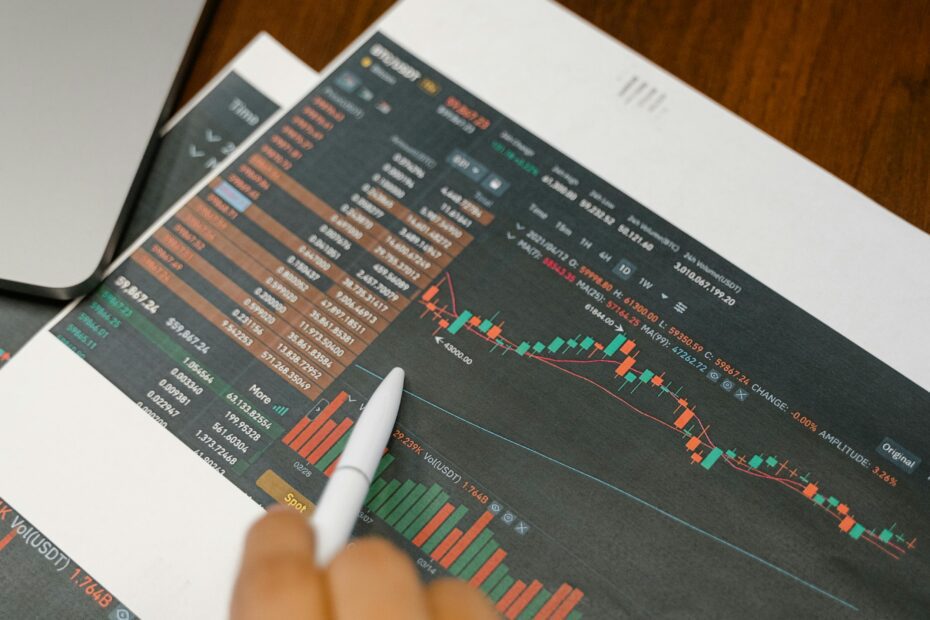
Day trading is a strategy in which many retail traders buy and sell financial instruments like
(stocks, crypto, forex, and futures) on the same trading day. They aim to profit from the small price movements.
I will review the basics of day trading and how it works.
-
Day trading vs. swing trading
The question is, what do you look like as a day trader?. The answer is so simple. First, we look for stocks that are relatively stable and moving predictably, and then we trade these stocks on the same day.
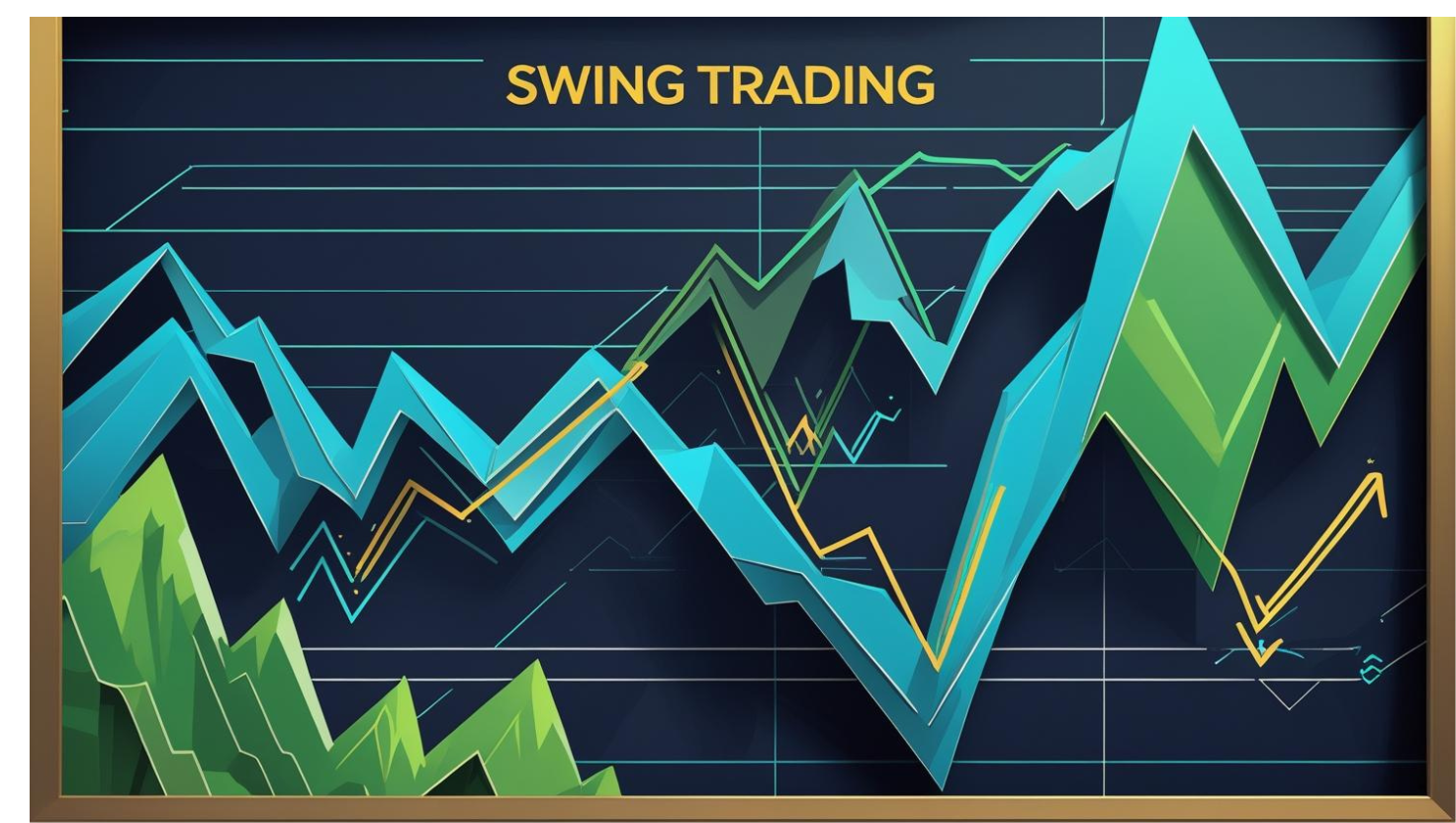
Let’s take an example: you buy Apple shares and don’t sell them on the same day before the market closes. Then, it will not be day trading; at that time, we will call it swing trading.
In swing trading, we hold the stock for the next day and then sell it. But day trading is all about buying and selling within the same day.
Trading Strategies
Here are a few popular day trading strategies:
a. Scalping
- Dozens of trades per day
- Targets tiny profits per trade
- Relies on speed and tight spreads
b. Momentum Trading
- Enters when there’s strong news or a breakout
- Rides the momentum and exits quickly
c. Reversal Trading
- Buys at support or sells at resistance
- Look for price “reversals” with confirmation
d. Breakout Trading
- Waits for price to break key levels (support/resistance)
- Trades the breakout direction
Risk and Account Management
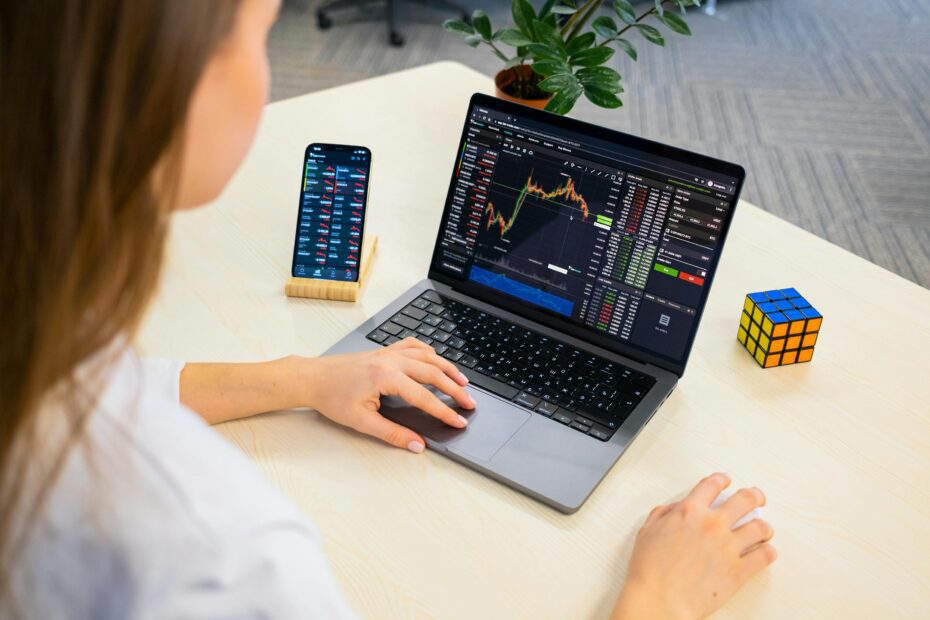
If you want to become a successful trader, master these( day trading strategies).
- Trading psychology
- Logical trading strategies
- Account and risk management
These three are just like the legs of a stool. If any of them is not strong, your stool will fall. It would be a foolish act just to rely upon the indicators and trading strategies.
But the problem is that no real strategy will assure you 100 percent profits. Yes, this is the point to understand that not every beginner doesn’t pick up and make mistakes and blow their account in less time. But the question is how we can trade better?. The answer is to manage our accounts.
The inability to manage losses is the number one reason every beginner trader fails. To become a successful trader you need to master the risk management rules, then you will enjoy your profits as well.
- If you have the setup in which you are risking $100 dollars for the $300 dollars then it will be the 3 ratio 1 risk to reward ratio. That’s bearable.
- If you have a setup in which you are risking $100 for the $10, it would not be a good trading setup, and you should avoid it. It’s a bad decision.
Your broker is buying and selling for you. Your main objective is how you can easily manage the risks.
You should follow these steps for managing your risks.
- Am I trading the right stock?
- What share size should I take?
- What is my stop loss?
How to Find Stocks for Trades
Finding the right stock to trade is just as important as knowing when to enter and exit. Whether you’re a day trader, swing trader, or long-term investor, the stock you pick determines your opportunity. Here’s a step-by-step guide to help you find high-potential stocks for trading:
1. Use a Stock Screener
Think of a stock screener as your stock search engine. It helps you filter thousands of stocks based on the criteria you care about, like:
- Volume (liquidity)
- Volatility (price movement)
- Price range
- Sector or industry
- Market cap
Some popular free screeners:
- Finviz
- TradingView Screener
- Yahoo Finance Screener
Set filters like:
- Price > $5
- Volume > 1M
- RSI below 30 (oversold) or above 70 (overbought)
- Float < 100M (for potential volatility)
This gives you a solid list of trade-worthy stocks.
2. Follow Market News and Earnings
Stocks often move after major news, earnings reports, or economic events.
Check:
- Earnings calendars (earningswhispers.com, investing.com)
- Breaking news (CNBC, Bloomberg, Twitter/X)
- SEC Filings for insider activity or big corporate moves
Look for stocks that have surprise earnings or are in the news — these often have big volume and volatility, perfect for trading.
3. Look for Pre-Market or After-Hours Movers
During pre-market (before open) or after-hours (after close) sessions, some stocks make big moves based on news.
Use platforms like:
- Benzinga Pro
- MarketWatch
- Yahoo Finance (Gainers/Losers)
Find stocks that already show high volume before the market opens — it means they’re on traders’ radar.
4. Track Volume and Volatility
Look for:
- High relative volume (2x or 3x normal volume)
- Big price swings (at least 2%–5% daily range)
- Tight spreads (for better execution)
A stock that’s active and liquid gives you more opportunity to get in and out with profit.
5. Follow Sector Rotation
Sometimes entire sectors become hot, like:
- Tech during the AI boom
- Energy during oil spikes
- Healthcare during pandemics
Watch ETFs like:
- QQQ (tech)
- XLE (energy)
- XLV (healthcare)
See what sectors are moving and then look for individual stocks within those sectors.
6. Use Social Media & Communities (But Carefully)
Reddit (r/stocks, r/Daytrading), Twitter/X, Stocktwits — all great places to spot trending stocks, but always verify the hype with your own analysis.
7. Keep a Watchlist
Once you find stocks that fit your style, add them to a watchlist. Monitor how they behave:
- Do they follow patterns?
- Are they volatile enough?
- Do they respect technical levels?
Your watchlist becomes your go-to pool of trade setups.
8. Review Past Winners
Look at stocks that made big moves in the last few days.
Why did they move?
- News?
- Technical breakout?
- Analyst upgrade?
Patterns tend to repeat. A stock that moved big yesterday might offer a second or third trade setup today.
My Tools and Platforms
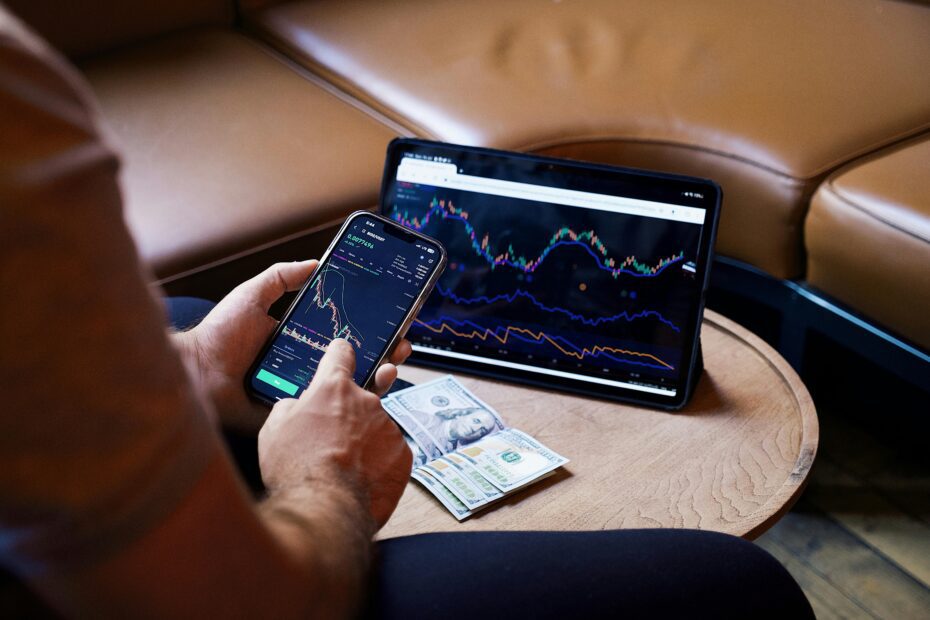
Day trading moves fast — and to keep up, you need more than just a gut feeling. Successful traders rely on powerful tools and reliable platforms to analyze markets, place trades instantly, and manage risk. If you’re serious about day trading, here’s what you need in your toolkit:
1. Trading Platforms
Your trading platform is your command center. It lets you chart, analyze, and execute trades quickly.
Popular Day Trading Platforms:
- MetaTrader 4/5 (MT4/MT5): Widely used for forex and CFDs. Offers real-time charts, indicators, and automated trading (via Expert Advisors).
- Thinkorswim (by TD Ameritrade): Excellent for U.S. stocks and options. Advanced charting, Level II data, and paper trading.
- TradingView: A favorite for chart analysis and idea sharing. Cloud-based and user-friendly with powerful indicators.
- Interactive Brokers (IBKR): Professional-level platform with fast executions and low fees. Ideal for global markets.
- Webull & Robinhood: Beginner-friendly apps for U.S. stock trading, with zero-commission trades and mobile-friendly interfaces.
2. Charting Tools
Charting is everything for day traders.
Best Charting Tools:
- TradingView: Clean interface, tons of indicators, real-time data, and community trade ideas.
- MetaTrader: Great for custom indicators, multiple timeframes, and backtesting strategies.
- Thinkorswim: Loaded with professional charting tools and drawing options.
Look for tools that let you apply:
- Moving Averages
- RSI, MACD, and Volume
- Trendlines, Fibonacci, and Support/Resistance
3. Stock Screeners
You can’t trade what you can’t find. Screeners help you discover high-potential stocks based on filters like price, volume, volatility, and technical setups.
Top Screeners for Day Traders:
- Finviz: Filter stocks by volume, volatility, technical patterns, and more. Free and powerful.
- Market Chameleon: Great for options traders and pre-market movers.
- TradingView Screener: Integrates directly with your charts. Easy to customize.
- Benzinga Pro (Paid): Real-time news, scanners, and alerts — made for serious traders.
4. News & Data Feed Services
Market-moving news drops fast. If you’re late, you’re out. A reliable news feed helps you stay ahead of trends and headlines.
Trusted News Tools:
- Benzinga Pro: Live headlines, breaking news, and audio squawk.
- Bloomberg Terminal (Pro): Expensive but top-tier for institutional traders.
- Reuters & CNBC: Free sources for major market updates.
- Twitter/X: Many traders use it for instant news and insider chatter. Just verify sources before acting.
5. Order Execution Tools
Speed and precision matter. A split-second delay can make or break your trade.
Look for platforms that offer:
- One-click trading
- Hotkeys for order speed
- Level II market data (for order book depth)
- Direct market access (DMA)
Platforms like Lightspeed, TradeStation, and IBKR offer excellent execution tools for active day traders.
6. Trading Journal Software
Keep a trading journal with yourself that helps you find your performance.
Best Journaling Tools:
- TraderSync
- Edgewonk
- Notion or Google Sheets (for custom tracking)
Log your:
- Entry/Exit points
- Position size
- Strategy used
- Emotions felt
- Mistakes & lessons
Your journal is your mirror — it tells you what’s working and what’s not.
7. Simulators & Demo Accounts
Before entering into the trade practice in the demo account for saving your capital.
Best Simulators:
- Thinkorswim Paper Trading
- TradingView Replay Mode
- MetaTrader Demo Accounts
- Investopedia Stock Simulator (good for beginners)
Use them to test strategies, improve timing, and learn platform features.
Final thought
Day trading isn’t just about fast clicks and flashy screens — it’s a serious skill that blends discipline, strategy, and mindset. While the idea of making quick profits is exciting, the reality is that consistent success comes from preparation, patience, and risk control.
The markets don’t owe you anything — but with the right tools, a clear plan, and continuous learning, you can carve out your edge. Whether you’re just starting or looking to refine your strategy, remember: focus on progress, not perfection.
Treat each trade as a lesson, every loss as feedback, and every win as a step forward.
Trade smart. Stay focused. Keep growing.
Because in day trading, your greatest asset isn’t your capital, it’s your mindset.

Pingback: Make $1000 A Day Trading Forex: Proven 2025 Strategies