Introduction: The Shift in Crypto Power
Bitcoin Dominance vs Altcoin Growth in 2025
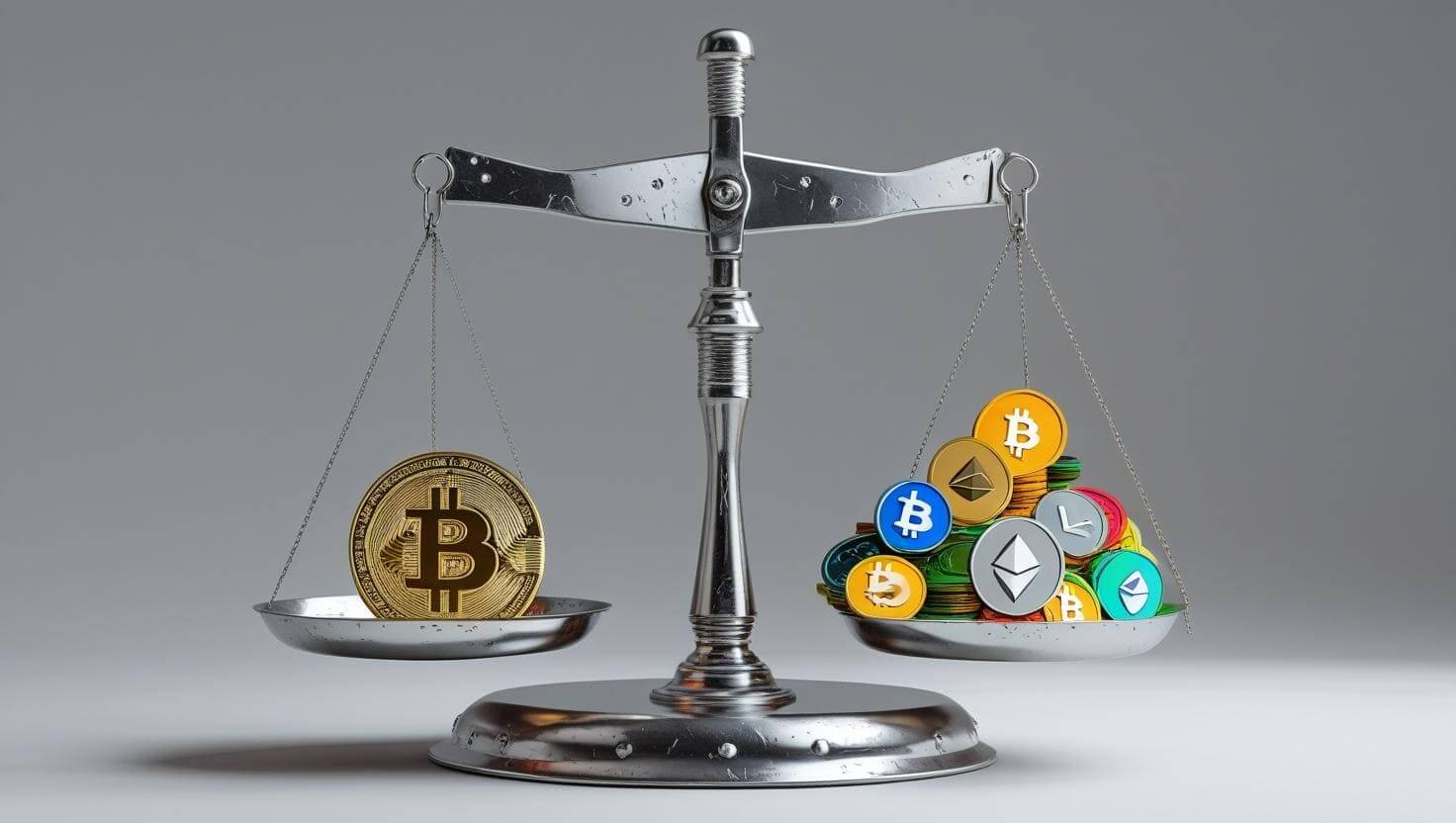
The cryptocurrency market is entering a new phase in 2025. Traders and analysts are focusing on the debate of Bitcoin Dominance vs Altcoin Growth, as the balance of power between Bitcoin and alternative cryptocurrencies begins to change.
Bitcoin’s Historic Dominance
For years, Bitcoin held the title of “digital gold” and remained the king of crypto. Its market dominance often stayed above 60%, showing strong investor confidence. But things are different now. It’s dominance is slipping, and altcoins are gaining strength.
Altcoins Step Into the Spotlight
While Bitcoin still leads in recognition, it is no longer the only place attracting capital. Altcoins like Ethereum, Solana, XRP, and even new tokens such as Plume are pulling in serious attention. This growth reflects a wider acceptance of crypto beyond Bitcoin.
Why Bitcoin Dominance Matters
The concept of Bitcoin Dominance vs Altcoin Growth is important for traders. A high dominance level usually means investors prefer the safety of Bitcoin. A drop in dominance signals that money is flowing into altcoins, which often marks the beginning of “altcoin season.”
The 2025 Turning Point
Bitcoin recently touched new highs around $124,000. Yet, market share slipped below 60%, moving closer to 57%. This decline created room for altcoins to grow. Solana is thriving in Web3 and gaming, while XRP continues to show relevance in global payments.
Search Trends Back the Shift
This change is not only about price action. Online data proves the shift, too. Google Trends shows surging searches for “altcoin season” and “Ethereum price,” while searches for Bitcoin have stayed flat. This indicates growing curiosity and confidence in altcoins.
A Mature Market Beyond Bitcoin
The rise of altcoin growth highlights the maturity of the crypto industry. Investors are no longer relying on Bitcoin alone. They are diversifying into other projects that show strong potential and use cases. This behavior suggests a healthier and more balanced market.
The Ongoing Debate
In the contest of Bitcoin Dominance vs Altcoin Growth, Bitcoin still holds the crown, but altcoins are closing the gap quickly. For traders and investors, tracking this shift is essential. It will influence strategies, risk management, and long-term decisions in the fast-moving world of crypto.
What Is Bitcoin Dominance?
Understanding Bitcoin Dominance
In the world of crypto, Bitcoin dominance is one of the most important indicators. In simple terms, it shows how much of the overall crypto market is controlled by Bitcoin compared to all other altcoins combined.
For example, if the total crypto market is worth $2 trillion and Bitcoin’s market cap is $1.2 trillion, then Bitcoin’s dominance would be 60%. This metric gives traders and investors a quick snapshot of Bitcoin’s influence in the market.
Why Bitcoin Dominance Matters
Bitcoin dominance is more than just a number. It reflects investor confidence and market sentiment. When Bitcoin dominance is high, it shows that most money is concentrated in Bitcoin. This usually happens during uncertain times, when investors prefer the relative “safety” of Bitcoin over riskier altcoins.
On the other hand, when Bitcoin dominance falls, it means capital is flowing into altcoins. This shift often sparks what traders call an “altcoin season”—a period where altcoins outperform Bitcoin in both price and growth. This is where the discussion of Bitcoin Dominance vs Altcoin Growth becomes crucial.
Historical Role of Bitcoin Dominance
In the early days, its dominance was above 90% because altcoins were either too small or didn’t exist yet.
But as Ethereum, Ripple (XRP), Litecoin, and others entered the market, Bitcoin’s dominance began to decline. Major altcoin booms in 2017 and 2021 pushed its dominance below 40% at certain points, signaling that altcoins were starting to play a much bigger role.
Bitcoin Dominance as a Trading Signal
For traders, Bitcoin dominance is more than a statistic—it’s a valuable tool. A rising dominance percentage can suggest that traders are leaving altcoins and moving back into Bitcoin. This often signals risk-off behavior in the market.
Traders use this as a sign to diversify into altcoins, expecting bigger gains compared to holding Bitcoin. Many analysts combine dominance charts with price action to forecast market cycles.
The Link Between Dominance and Altcoin Growth
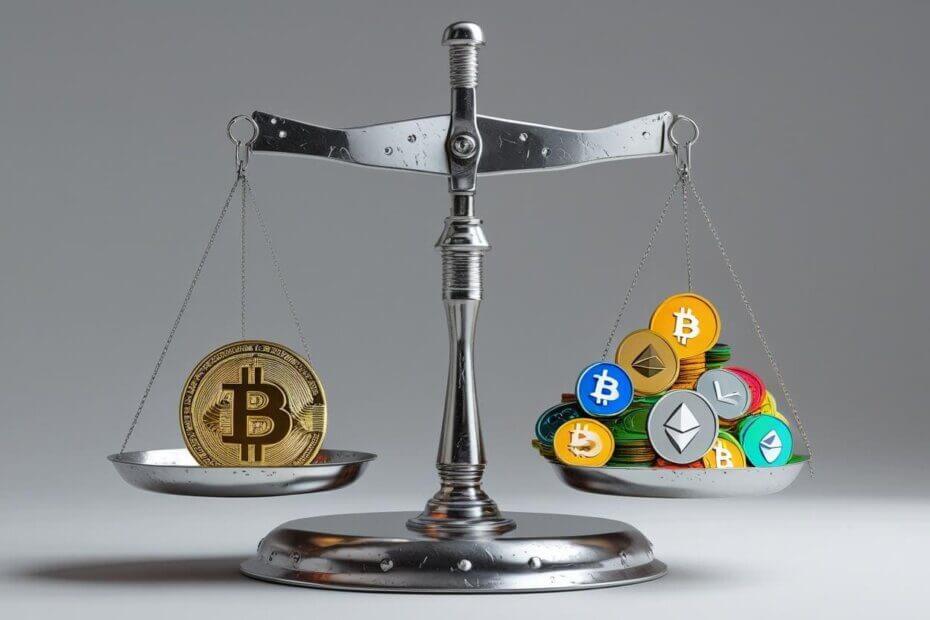
The balance of Bitcoin Dominance vs Altcoin Growth is constantly changing. Bitcoin remains the largest and most stable crypto, but altcoins are now serious competitors. Their growth in DeFi, NFTs, gaming, and Web3 applications adds real-world use cases, which attracts more investors.
As a result, whenever Bitcoin dominance declines, it often signals a healthy expansion of the crypto market as a whole. Money is not just flowing into one asset—it is spreading across an ecosystem of different projects.
Conclusion: Why Traders Watch Dominance Closely
Understanding Bitcoin dominance helps traders read the market more effectively. It reveals whether investors are seeking safety in Bitcoin or chasing higher returns in altcoins. By monitoring this ratio, traders can make smarter decisions about when to focus on Bitcoin and when to shift attention toward altcoins.
In the ongoing story of Bitcoin Dominance vs Altcoin Growth, dominance remains a key measure. It doesn’t just reflect market share—it signals where the next big opportunities in crypto may appear.
The 2025 Scenario: Bitcoin at Record Highs, But Losing Share
As we move deeper into 2025, Bitcoin finds itself in a fascinating position. On one hand, it continues to break records, reaching new all-time highs and solidifying its reputation as the pioneer of digital assets. Despite price surges, Bitcoin is losing ground to faster, more versatile, and more innovative blockchain networks that better align with the evolving needs of investors, developers, and institutions.
Bitcoin’s Strengths Remain
Bitcoin’s appeal is still undeniable. It remains the most recognized cryptocurrency worldwide and enjoys unparalleled brand value. Institutional investors, who once hesitated, now treat Bitcoin as a legitimate store of value and a hedge against inflation. Its scarcity model, capped at 21 million coins, continues to attract capital in an age of economic uncertainty and currency devaluation.
Moreover, Bitcoin’s role as “digital gold” has never been stronger. Governments, corporations, and even pension funds are increasingly adding Bitcoin to their balance sheets. Its simplicity—serving primarily as a store of value and medium of exchange—still resonates with those who prefer stability over experimentation.
Why Bitcoin is Losing Market Share
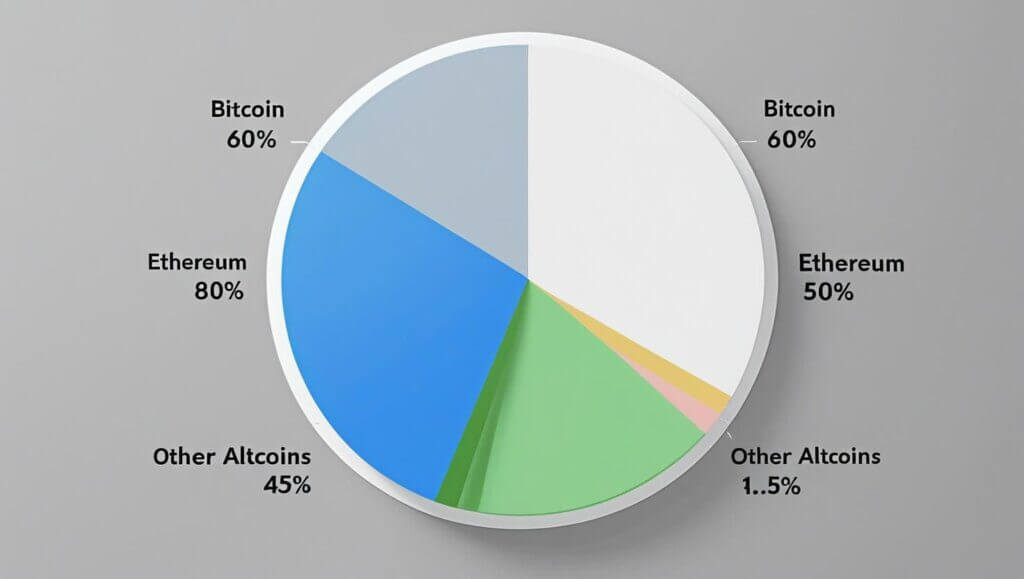
But while Bitcoin soars in price, its share of the overall crypto market is shrinking. In 2017, Bitcoin accounted for more than 80% of the total cryptocurrency market capitalization.
The reasons are clear. Bitcoin’s underlying technology, while revolutionary in 2009, is limited compared to newer blockchain platforms. It struggles with scalability, energy efficiency, and speed. Transactions remain slower and more costly compared to next-generation networks. Even with improvements like the Lightning Network, Bitcoin still cannot match the throughput of ecosystems like Solana, Ethereum, or newer contenders focused on real-world utility.
Meanwhile, alternative cryptocurrencies (often called altcoins) have carved out strong positions by offering smart contracts, decentralized finance (DeFi), non-fungible tokens (NFTs), gaming applications, and cross-border payments. These features go far beyond Bitcoin’s primary use case, attracting developers and communities who want to build, not just hold.
The Rise of Competition
Ethereum, despite its challenges, continues to dominate the smart contract space after its shift to proof-of-stake. Other blockchains like Solana, Avalanche, and Polkadot offer faster transactions and lower fees, making them attractive for decentralized applications. Stablecoins and central bank digital currencies (CBDCs) are also reshaping how people think about digital money, further cutting into Bitcoin’s relevance in day-to-day payments.
This competitive environment means Bitcoin now plays a different role in the broader ecosystem. It is less about innovation and more about stability. Investors use it as an anchor, but for growth, they increasingly turn to other assets.
A New Era for Crypto
The scenario of 2025 highlights a paradox: Bitcoin has never been more valuable, but its influence is gradually waning. For long-term believers, this is not necessarily a negative trend. Bitcoin can still thrive as a store of value, even if it no longer dominates every corner of the crypto universe.
The crypto market has matured. Diversity, innovation, and specialization are defining this new era. Bitcoin may remain the king in name, but the empire it once ruled is now shared by many ambitious contenders.
Altcoin Growth Takes the Spotlight
While Bitcoin continues to dominate headlines with record-breaking prices, it is the altcoins that are quietly shaping the future of the industry. These alternative digital assets are no longer just experimental projects; they are building ecosystems, attracting developers, and redefining how people interact with blockchain technology.
Beyond Bitcoin’s Shadow
It was the entry point for millions of investors and the benchmark for measuring success. But as the industry evolves, Bitcoin’s singular role as “digital gold” is starting to feel limited. Altcoins have stepped up to fill the gaps, offering utility that goes far beyond being a store of value.
Smart Contracts Drive Utility
The rise of Ethereum laid the foundation for altcoin growth. By introducing smart contracts, Ethereum created a programmable blockchain that could support decentralized applications, financial services, and NFTs. This shift sparked a wave of innovation. Today, networks like Solana, Avalanche, and Cardano are competing to offer faster, cheaper, and more scalable solutions.
DeFi Expands Opportunities
Decentralized finance, or DeFi, has been one of the strongest engines of altcoin growth. Platforms built on Ethereum and other chains now enable lending, borrowing, staking, and yield farming—all without traditional banks. This democratization of finance has brought millions of users into the crypto space, and altcoins tied to these platforms have seen explosive growth in value and adoption.
NFTs and Gaming Ecosystems
Altcoins are also driving the booming NFT and gaming markets. Projects like Polygon and Immutable are powering blockchain-based games and marketplaces where digital ownership is at the center. These tokens are not just speculative assets; they represent tools for artists, gamers, and developers to create and trade value in entirely new ways.
The Role of Stablecoins
While not always included in traditional altcoin discussions, stablecoins play a critical role in this growth story. Tokens like USDT, USDC, and DAI have become the backbone of crypto trading and payments. They offer stability in a volatile market and serve as bridges between traditional finance and blockchain economies.
Institutional and Retail Adoption
Another factor fueling altcoin expansion is broader adoption. Institutions are no longer focused solely on Bitcoin. Venture capital firms, payment providers, and even governments are exploring partnerships with altcoin projects. Meanwhile, retail investors are diversifying their portfolios, recognizing that Bitcoin alone cannot capture the full potential of the crypto revolution.
The Road Ahead
Altcoin growth is not without challenges. Many projects still face scalability issues, regulatory uncertainty, and questions about long-term sustainability. However, their momentum is undeniable. The competition among these projects is fostering innovation and pushing the entire industry forward.
Conclusion
Altcoins have taken the spotlight in 2025, proving that the crypto world is far bigger than Bitcoin. From DeFi to NFTs to gaming and beyond, they are driving real-world applications and expanding the boundaries of what blockchain technology can achieve. Bitcoin may still be the king, but the altcoins are writing the story of the future.
Key Signals That Altcoin Season Is Brewing
The cryptocurrency market often moves in cycles. Bitcoin usually leads the charge, hitting new highs and attracting attention. But after Bitcoin rallies, money often flows into altcoins, creating what traders call “altcoin season.” In 2025, many signs suggest another such season is on the horizon.
Surging Trading Volumes in Altcoins
Another signal is rising trading volumes in altcoins. When coins like Ethereum, Solana, or Avalanche see higher liquidity, it means more traders are betting on their growth.
Stronger Performance Than Bitcoin
If the majority of the top 100 cryptocurrencies are showing higher percentage gains than BTC, it’s a classic sign that the spotlight is moving.
Growth of DeFi and Web3 Activity
Decentralized finance and Web3 projects often drive altcoin adoption. When new protocols launch or existing ones see higher user activity, the tokens connected to them tend to rise in value. This wave of innovation often sparks broader altcoin growth.
NFT and Gaming Momentum
NFTs and blockchain gaming have become major drivers in recent years. If platforms like Polygon, Immutable, or Arbitrum show higher demand, it often signals that retail investors are re-entering the market. This activity spills over into other altcoins, fueling the season.
Increased Social Media Buzz
Crypto markets thrive on hype and sentiment. A surge in social media discussions around specific altcoins is a reliable indicator. When Twitter, Reddit, or TikTok communities begin favoring altcoins over Bitcoin, it usually hints at strong retail participation.
Institutional Interest Beyond Bitcoin
Institutions once focused only on Bitcoin. Today, they are increasingly exploring Ethereum, Solana, and even niche tokens. When venture capital flows into altcoin projects, it strengthens the case for a broader altcoin season.
Technical Market Indicators
From a charting perspective, traders look at metrics like the “Altcoin Season Index.” If the index shows more coins outperforming Bitcoin, it is a direct signal. Moving averages, RSI levels, and breakout patterns across multiple altcoins also confirm the trend.
Stablecoin Flows Into Altcoins
Stablecoins act as entry points into crypto markets. When large amounts of USDT, USDC, or DAI flow from exchanges into altcoin pairs, it suggests traders are preparing for altcoin investments rather than Bitcoin accumulation.
Conclusion
Altcoin season is never guaranteed, but the signals are becoming clearer in 2025. Declining Bitcoin dominance, rising altcoin volumes, institutional interest, and booming DeFi and NFT activity all point toward a shift. For investors, recognizing these signals early can be the difference between riding the wave or watching from the sidelines.
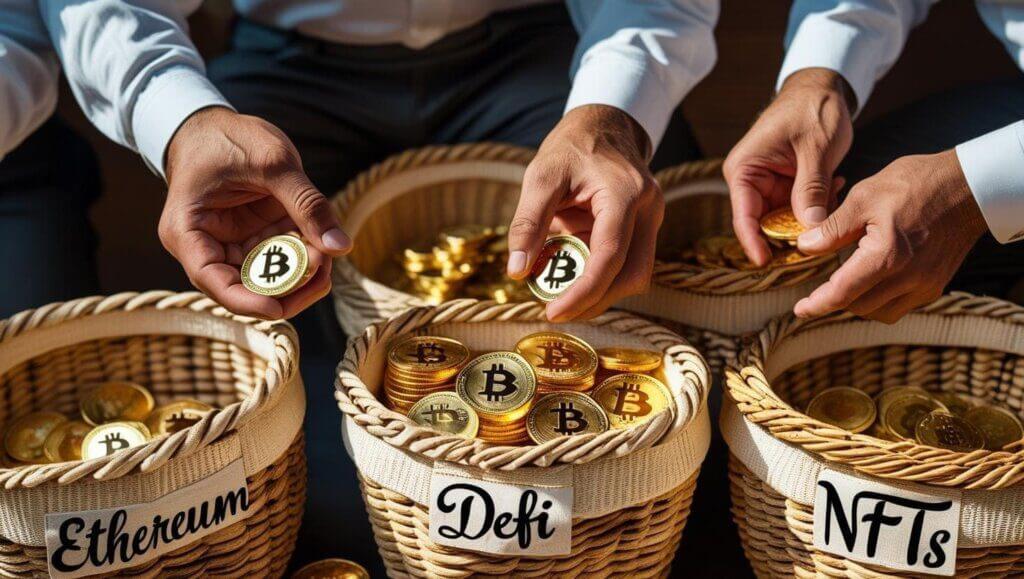
Ethereum’s Rising Dominance: Can It Overtake Bitcoin?
The crypto market in 2025 looks very different from its early years. Bitcoin remains the most recognized digital asset, holding its position as the original cryptocurrency. Yet, Ethereum has steadily been climbing in influence and adoption. This raises a big question: can Ethereum eventually surpass Bitcoin in dominance?
Different Roles in the Market
Bitcoin was designed as digital money and later embraced as “digital gold.” Its value comes from scarcity, decentralization, and security. Ethereum, on the other hand, was built as a programmable blockchain. It introduced smart contracts, which opened the door to decentralized finance, NFTs, and Web3 applications.
Growing Use Cases
One reason Ethereum’s influence is rising is its utility. Bitcoin is mostly used as a store of value or investment. Ethereum powers ecosystems. Developers can build decentralized applications, financial tools, and gaming platforms directly on its network. This difference gives Ethereum more use cases and a broader appeal.
The Shift to Proof-of-Stake
Ethereum’s transition from proof-of-work to proof-of-stake has also boosted its image. This upgrade made the network more Institutional Interest Expands
More institutions are paying attention to Ethereum. From large investment firms to payment networks, Ethereum is being integrated into real-world use cases. Tokenized assets, stablecoins, and even government-backed projects are increasingly built on Ethereum, showing its growing importance.
Ethereum’s Role in DeFi
Decentralized finance remains one of Ethereum’s strongest drivers. Billions of dollars flow through Ethereum-based platforms for lending, borrowing, staking, and trading without banks. This activity not only boosts demand for ETH but also strengthens the entire ecosystem.
Competition With Bitcoin
Despite Ethereum’s rapid growth, Bitcoin still holds advantages. It is simpler, more secure in design, and trusted as the safest digital asset. Many investors still see Bitcoin as the best hedge against inflation and economic instability. Ethereum, while powerful, is more complex and faces scalability challenges.
Market Capitalization Gap
As of 2025, Bitcoin still leads in market capitalization, but the gap is narrowing. Each Ethereum bull cycle closes the distance a little more. If Ethereum adoption continues at its current pace, it’s possible that ETH could rival or even overtake Bitcoin in value one day.
Risks and Challenges
Ethereum’s path to dominance isn’t guaranteed. High competition from other smart contract platforms like Solana and Avalanche could limit its growth. Regulatory scrutiny is also a major risk, especially for projects built on Ethereum. In contrast, Bitcoin is often seen as safer from regulatory pressure.
The Bigger Picture
Whether or not Ethereum overtakes Bitcoin may matter less than it seems. Both assets serve different purposes in the crypto economy. Bitcoin remains the anchor, while Ethereum drives innovation. Together, they represent the foundation of the digital asset world.
Conclusion
Ethereum’s rising dominance highlights the maturity of the crypto market. While Bitcoin may continue to lead as digital gold, Ethereum’s expanding utility makes it a serious contender for the top spot. Whether it overtakes Bitcoin or not, Ethereum’s role in shaping the future of blockchain is undeniable. Energy-efficient, scalable, and attractive to institutions concerned about sustainability. While Bitcoin still faces criticism for high energy consumption, Ethereum now markets itself as a greener alternative.
Top Altcoins to Watch Right Now
The altcoin market in 2025 is vibrant and full of opportunities. While Bitcoin remains the leader, much of the real innovation and adoption is happening within alternative cryptocurrencies. Some established names continue to dominate, while new projects are quickly gaining momentum. Let’s take a look at some of the top altcoins to watch right now.
Ethereum (ETH)
Ethereum remains the cornerstone of the altcoin market. It is the leading platform for decentralized applications, smart contracts, and tokenized assets. Its shift to proof-of-stake has made it more sustbrought onto the blockchain. This gives Ethereum a clear edge as adoption spreads into mainstream finance. With so many applications built on its network, ETH continues to be a critical asset for investors.
Solana (SOL)
Solana has gained a reputation as one of the fastest blockchains in the market. Its low fees and high throughput make it ideal for applications that require speed, such as gaming, decentralized exchanges, and NFT platforms.
Despite past concerns about network outages, Solana’s ecosystem has bounced back strongly. Many developers are choosing it as their preferred blockchain for new projects. As more apps and platforms go live, SOL has the potential to grow significantly in value and influence.
XRP (Ripple)
XRP has carved out a unique niche by focusing on global payments. Ripple’s technology is designed to provide fast and cost-effective cross-border transactions, making it attractive to banks and financial institutions.
Although Ripple faced legal challenges in the past, the project has continued to expand its network of partners worldwide. XRP’s use in real-world financial systems gives it staying power and makes it one of the most practical altcoins to watch in 2025.
Chainlink (LINK)
Chainlink plays a crucial role in connecting blockchain applications to real-world data. Its decentralized oracle network allows smart contracts to access reliable information, whether that’s financial data, weather reports, or supply chain information.
This functionality makes Chainlink a backbone of the decentralized finance ecosystem. As demand for accurate off-chain data grows, LINK’s importance continues to rise. It is one of the few altcoins that is deeply embedded in a wide range of blockchain projects.
Plume and Emerging Tokens
Alongside the established giants, new tokens like Plume are beginning to trend in 2025. These emerging projects often bring fresh ideas and target niches that larger platforms have not yet captured. Plume, for example, has attracted attention for its innovative approach to community-driven governance and decentralized applications.
While newer tokens carry higher risk, they also offer the potential for outsized returns if they succeed. Keeping an eye on trending altcoins like Plume can give investors early exposure to future success stories.
Conclusion
Altcoins continue to drive the next wave of crypto innovation. Ethereum and Solana dominate decentralized ecosystems, XRP strengthens global payments, Chainlink connects blockchains to the real world, and newer tokens like Plume are building the future. Together, they represent the dynamic and fast-moving world of altcoins worth watching closely right now.ainable and scalable, attracting both developers and institutions.
ETH is also at the center of the growing tokenization movement, where real-world assets like stocks, bonds, and real estate are being.

Risks and Caveats of the Shift
The rise of altcoins in 2025 has brought both excitement and opportunity to the cryptocurrency market. As Bitcoin’s dominance weakens and funds flow into Ethereum, Solana, and newer tokens, many investors see huge potential. However, this shift is not without risks. Understanding the caveats is essential before diving in.
Market Volatility
Altcoins are notoriously more volatile than Bitcoin. While they can deliver impressive gains, they can also drop sharply in value within hours or days. This volatility makes altcoins attractive for traders but risky for long-term investors who may not be prepared for sudden downturns.
Unproven Projects
Not all altcoins are created equal. Many new projects launch with big promises but lack the technology or adoption to back them up. Investors risk losing money on tokens that fail to gain traction or disappear after initial hype. Due diligence is crucial before committing funds.
Security Concerns
Altcoin ecosystems often attract hackers. Smart contracts, DeFi platforms, and NFT marketplaces have been targeted in the past, leading to billions of dollars in losses. Since many projects are relatively new, security audits and protections are still developing, leaving investors vulnerable.
Regulatory Uncertainty
Governments worldwide are still figuring out how to regulate cryptocurrencies beyond Bitcoin. Some altcoins may face stricter scrutiny, especially those connected to DeFi or stablecoins. Regulatory actions can cause sudden price crashes or even make a project unusable in certain regions.
Liquidity Risks
Bitcoin is highly liquid, meaning it’s easy to buy and sell large amounts without affecting the price. Altcoins often have lower liquidity, especially newer ones. This can make it difficult for investors to exit positions quickly, particularly during market downturns.
Competition Among Altcoins
While Ethereum, Solana, and others are leading platforms, they face fierce competition. Dozens of blockchains are competing for users and developers. If a project loses developer interest or fails to innovate, its token value could decline rapidly.
Overhype and FOMO
Altcoin seasons often bring waves of hype, with social media fueling fear of missing out (FOMO). Many investors rush into projects without proper research, only to face losses when the excitement fades. Separating genuine innovation from speculation is key.
Technical Challenges
Scalability, energy efficiency, and network reliability remain issues for many altcoins. Outages, high fees, or poor user experience can slow adoption. Even strong projects like Solana have faced downtime, reminding investors that technical challenges can impact performance and trust.
Risk of Centralization
Some altcoins, despite marketing themselves as decentralized, still rely heavily on small teams or centralized infrastructure. This concentration of control increases the risk of manipulation, governance issues, or even collapse if the core team fails.
Conclusion
The shift toward altcoins in 2025 offers exciting opportunities, but it is far from risk-free. Volatility, regulatory uncertainty, and unproven projects all pose challenges. Investors should approach altcoins with caution, conduct thorough research, and diversify wisely. While the rewards can be high, understanding the risks is the only way to navigate this rapidly evolving market safely.
Conclusion: The Future of Crypto Market Leadership
The cryptocurrency market in 2025 is at a crossroads. Bitcoin still holds the crown as the first and most recognized digital asset, but its dominance is slowly eroding. Altcoins, powered by innovation and broader utility, are carving out larger portions of the market. This raises the ultimate question: will Bitcoin remain king, or will altcoins keep gaining ground?
Bitcoin’s Enduring Strength
Bitcoin’s greatest advantage lies in its simplicity and trust. It is viewed as digital gold, a hedge against inflation, and a safe haven in uncertain times. Its fixed supply of 21 million coins gives it scarcity unmatched by any other digital asset. Institutions and long-term investors often see Bitcoin as a reliable store of value rather than a technology platform.
For these reasons, Bitcoin is unlikely to disappear or lose relevance. It may always remain the anchor of the crypto market. Yet, being the anchor does not necessarily mean being the leader in innovation or growth.
The Rise of Altcoins
Altcoins, on the other hand, are designed to do more. Ethereum enables smart contracts and decentralized finance. Solana offers high-speed blockchain solutions for apps and gaming. Ripple focuses on global payments. Chainlink connects real-world data to blockchain networks. And new projects continue to emerge, filling gaps and solving problems Bitcoin was never meant to address.
This versatility is the biggest driver behind altcoin growth. As blockchain adoption spreads into industries like finance, supply chains, healthcare, and entertainment, altcoins are often the ones powering the solutions.
Shifting Market Dynamics
Market dominance is no longer about who came first—it’s about who adapts fastest. In 2017, Bitcoin controlled more than 80% of the market. By 2025, that share has dropped below 60%. This doesn’t mean Bitcoin is failing; it means the market itself is expanding, with more room for specialized players.
Altcoins are no longer just speculative bets. They are ecosystems where real users interact daily. This makes their rise more sustainable than in previous cycles, when hype alone drove growth.
What Traders Should Watch
For traders, the future of market leadership is not a choice between Bitcoin or altcoins—it’s about balance. Bitcoin still provides stability and credibility. Altcoins provide growth and innovation. Diversification is the smartest strategy, especially in a market that evolves as quickly as crypto.
Short-term, traders should watch Bitcoin’s dominance levels and the performance of leading altcoins. Long-term, investors should look for projects with strong fundamentals, active development, and real-world adoption.
Final Thoughts for Investors
The future of crypto market leadership may not belong to a single asset. Instead, it could be shared among multiple leaders serving different roles. Bitcoin as the foundation, Ethereum as the innovation hub, and other altcoins as industry specialists.
For investors, the message is clear: Bitcoin may remain the king in name, but the kingdom is changing. Altcoins are no longer challengers on the sidelines—they are co-rulers shaping the next era of digital finance. The winners will be those who recognize this shift early and position themselves accordingly.