Introduction
Trading might look easy on the surface. You press a few buttons, follow some charts, maybe copy a few trades—and voilà, you’re a trader. But if you’ve tried it, you know that the reality is far more complex. Despite the promise of quick wealth and financial freedom, many traders burn out, blow their accounts, or leave the markets altogether. Every person faces trading difficulty on it’s way. But the question is, how can we remove this trading difficulty from everyone’s life? This is the actual motive and mission to remove the trading difficulty.
So, what makes trading so hard? and what makes you feel like trading difficulty is affecting you.
In this post, we will delve into the psychology of trading difficulties, demystifying the layers of complexity that challenge even the most experienced traders. We’ll go beyond technical analysis and delve into the emotional, cognitive, and strategic challenges that make trading one of the most mentally demanding careers in the world. We will look for the answer to the trading difficulty.
The Illusion of Easy Money
Many traders enter the market believing it’s a quick way to make money. Social media, YouTube videos, and fake “gurus” promise riches overnight. But trading isn’t a get-rich-quick scheme — it’s a skill-based profession that requires time, patience, and mental strength. In every trade, try to find out the trading difficulty.
Reality Check: Trading is simple, but not easy. Most traders fail because they treat it like gambling, not a business.
Emotional Decision-Making
Trading is emotional. Every candle, every price spike can trigger fear, greed, excitement, or regret. Emotional traders have this trading difficulty:
-
Exit too early out of fear
-
Hold losers too long out of hope
-
Chase trades due to excitement
These emotions lead to inconsistent decisions and blown accounts. Fix your trading difficulty by using this unique tip.
Tip:
the more likely you’ll make bad decisions.
Lack of Discipline
Discipline is the silent backbone of every successful trader. It means having the ability to stick to your trading plan even when emotions tempt you to deviate. Many traders are fully aware of what they should do—follow their strategy, manage risk, and wait for proper confirmation signals—but in the heat of the moment, they abandon those rules. Discipline is a major step in overcoming your trading difficulty.
Here’s how a lack of discipline typically shows up in trading:
-
Breaking Risk Limits
Traders often set predefined risk levels per trade—like risking only 1–2% of their capital. However, when a trade seems “too good to miss” or when they’re trying to recover from a loss, they may increase their position size impulsively. This exposes them to outsized losses and increases emotional pressure. This will help you in removing your trading difficulty. -
Entering Without Confirmation
Patience is rare, especially in fast-moving markets. Instead of waiting for a clear entry signal or confirmation from indicators, many traders jump in too early, relying on gut feeling or incomplete setups. These premature entries can lead to unnecessary losses. It’s important to enter with confirmation to get rid of trading difficulty. -
Trading Under Emotional Stress
Some traders place trades when they’re angry, anxious, or excited. Emotional states cloud judgment and often lead to revenge trading, overtrading, or poor decision-making. Without emotional discipline, every loss feels personal—and every trade becomes a gamble. This is the major and problem-creating step and causes the serious trading difficulty.
Overtrading and Revenge Trading
After facing a string of losses, it’s common for traders to feel the urge to recover their money quickly. This emotional response often leads to what’s known as revenge trading—a dangerous habit where a trader increases trade frequency or risk size in an attempt to “win it all back.” Rather than calming down and reassessing the situation, they jump into more trades, often without a proper setup or plan. This is the trading difficulty that I have also faced many times.
This kind of behavior rarely ends well. Instead of making back the losses, traders usually dig themselves into a deeper hole. The problem is that revenge trading is driven by emotion, not strategy—and the market doesn’t reward desperation.
On the other hand, overtrading isn’t always fueled by revenge—it can also stem from boredom, overconfidence, or the illusion that more trades mean more profit. But in reality, overtrading leads to:
-
Mental exhaustion, which reduces focus and increases the likelihood of making mistakes
-
High transaction costs (like spreads or commissions) that eat into profits
-
Deviating from your strategy, which leads to inconsistent outcomes
Both revenge trading and overtrading can turn a small bad day into a catastrophic one.
Fear of Missing Out (FOMO)
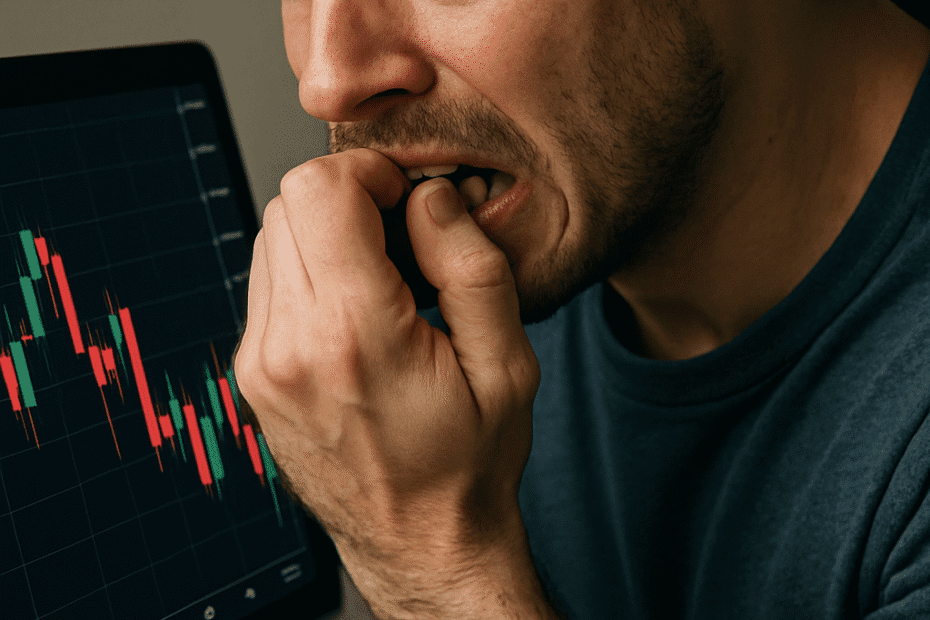
One of the most common psychological traps in trading is FOMO—Fear of Missing Out. It’s that anxious feeling that everyone else is making money except you. When traders see a sudden price movement or hear others talk about their profits, they often panic and jump into the market without proper analysis.
FOMO leads to impulsive behavior, including:
-
Entering Trades Too Late
Traders often wait until a move is already well underway, then rush to enter, thinking the price will continue in the same direction. But by the time they act, the market may be overextended and ready to reverse. -
Skipping Risk Analysis
In the excitement of chasing a potential profit, traders neglect their risk management rules—like setting a stop loss or calculating position size. This can turn what seemed like a small opportunity into a major loss. -
Chasing Price During Breakouts
During market breakouts, prices can move rapidly. FOMO pushes traders to enter at the worst possible time—right when the breakout is ending or when a false breakout traps latecomers.
At its core, FOMO is emotional trading. It overrides logic and discipline and makes traders reactive instead of strategic. And once emotions start driving your decisions, your trading edge disappears.
Greed and Unrealistic Expectations
Greed After Winning Streaks: The Hidden Danger
One of the most common pitfalls traders face is the surge of greed that often follows a series of successful trades. After a few wins, confidence can quickly turn into overconfidence. Traders may start increasing their position sizes beyond what their risk management plan allows. They might ignore stop-loss levels, believing the market will continue to move in their favor. Some even hold onto trades much longer than necessary, hoping for even bigger profits — but this often leads to sharp reversals and unnecessary losses. if you follow this step, it can increase your trading difficulty.
Unrealistic Expectations and Risky Behavior
Another issue many traders face is having unrealistic expectations. Some come into trading expecting to double their account in a week or turn a small investment into a fortune overnight. When those outcomes don’t materialize, frustration sets in. This can cause traders to abandon their strategy, overtrade, or take excessive risks in an attempt to “make it big” quickly. These decisions are often driven by emotion rather than logic or sound trading principles — and they almost always lead to disappointment. Don’t rely on those behaviors that will affect your trading journey and cause trading difficulty.
Pro Tip: Focus on Sustainable Growth
The truth is, long-term success in trading isn’t built on big, reckless moves — it’s built on discipline and consistency. Small, steady gains might not seem exciting in the moment, but over time, they compound into meaningful results. By focusing on managing risk, following your plan, and staying emotionally grounded, you set yourself up for real, sustainable progress in the markets.
Poor Risk Management
Risk Management: Your Real Trading Edge
-
A great strategy is useless without solid risk control and your trading difficulty.
-
Avoid common mistakes:
-
Risking too much on one trade
-
Trading without a stop loss
-
Holding losers and closing winners too soon
-
-
Golden rule: Risk only 1–2% of your account per trade.
-
Protect your capital first — profits come later.
-
Survival in trading is more important than chasing big wins.
Strategy Hopping
Traders fail when they constantly jump between strategies after a few losses. This is called strategy hopping, and it’s a confidence killer. This is the point where most traders get stuck and affect their strategies and causing trading difficulty.
Why it happens: They don’t trust the process or haven’t tested their plan thoroughly.
Fix it: Backtest your strategy. Believe in the data. Stick with it long enough to see results.
No Trading Journal
If you’re not tracking your trades, how can you improve?
A trading journal can help you remove your trading difficulties.
A journal helps you:
-
Analyze what’s working and what’s not
-
Spot emotional decisions
-
Refine your strategy
Most traders fail simply because they don’t review their performance.
Action Step: Start journaling every trade — entry, exit, reason, emotion, and outcome.
Case Study: The Rise and Fall of a Beginner Trader
Let’s take a real-life example. It’s a real-time example of the trading difficulty a man faces during his journey.
Ahmed, a 24-year-old beginner from Karachi, started trading forex after watching a few YouTube videos. He opened a $500 account, downloaded MetaTrader 4, and followed a scalping strategy he saw on Instagram.
At first, he made $70 in one day. Encouraged, he increased his lot size. A week later, he was up $210.
Then came the downfall.
-
He took a trade during NFP (Non-Farm Payroll) without knowing how volatile it was.
-
The trade went against him. Instead of stopping out, he added more positions.
-
Within minutes, he lost his entire $500 account.
Why did he fail?
The trading difficulty he faces.
-
No risk management
-
Overconfidence
-
Emotional decision-making
-
Lack of understanding of market fundamentals
Moral: Quick success can create false confidence. Always treat trading as a long-term game.
The Hidden Impact of Sleep, Nutrition, and Stress
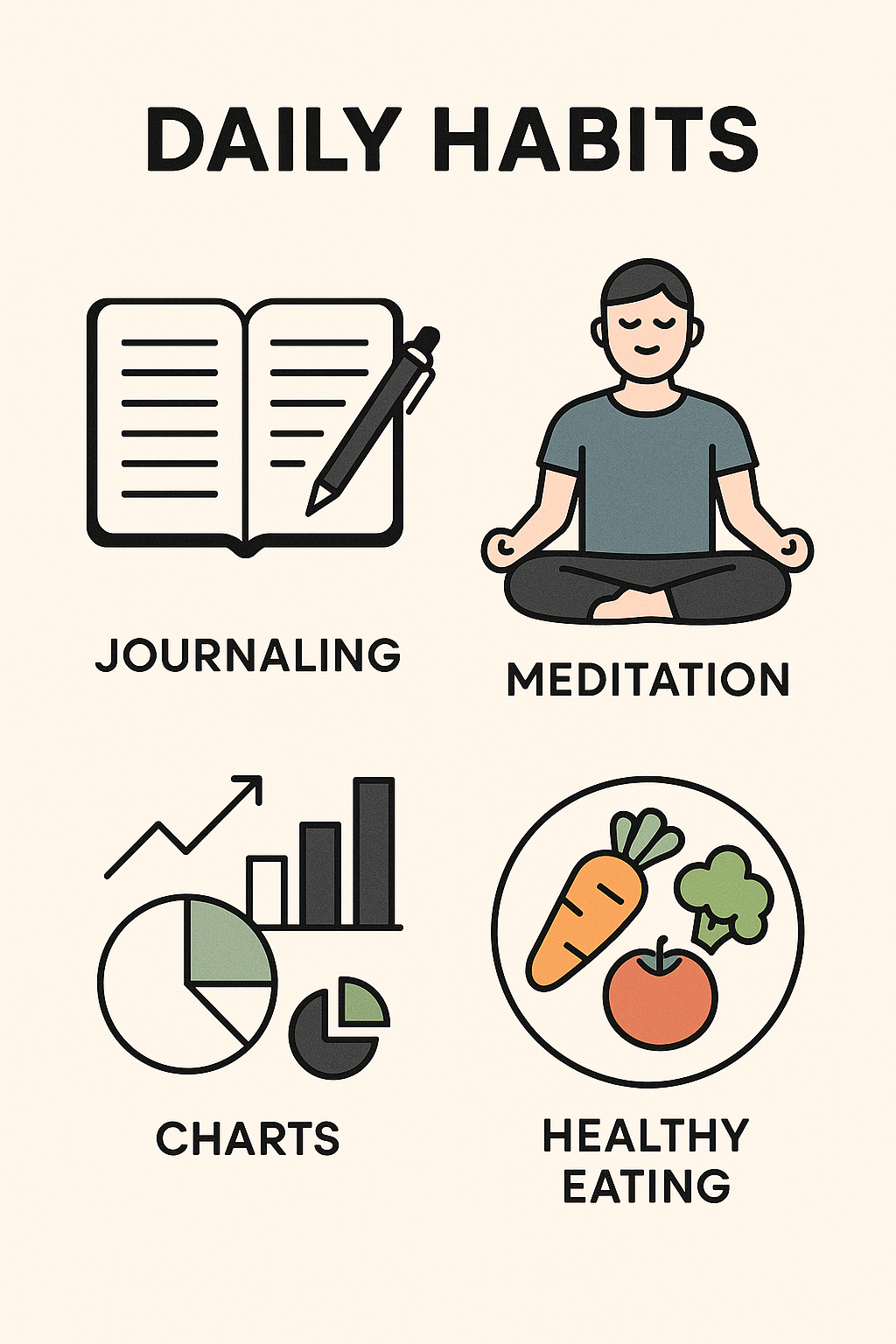
Most traders think psychology is only about mindset. But your physical health has a massive effect on trading decisions. If you understand the psychology of the market, it will help you get rid of your trading difficulties quickly.
-
Lack of sleep reduces focus and increases emotional reactions.
-
Poor diet causes energy crashes.
-
Chronic stress shortens your patience and increases impulsiveness.
How to Fix It:
-
Get 7–8 hours of quality sleep.
-
Avoid heavy meals before trading.
-
Take regular breaks from screens.
-
Practice mindfulness or breathing techniques before high-impact news.
Think like an athlete — your performance is mental and physical.
Final Thoughts: Why Most Traders Fail (and How You Can Avoid It)
Let’s summarize what we’ve covered.
Traders fail because:
-
They let emotions take control
-
They chase results instead of process
-
They treat trading like gambling, not a profession
-
They ignore risk and discipline
-
They don’t journal or learn from mistakes
Traders succeed when they:
-
Build self-awareness
-
Stick to one strategy and refine it
-
Focus on process, not profits
-
Manage risk religiously
-
Work on their mindset as much as their charts
The biggest edge in trading is not your indicator. It’s you — your mindset, your habits, your discipline. Fix yourself, and your trading results will follow.
Frequently Asked Questions (FAQs)
1. What is the most common psychological mistake traders make?
The most common mistake is letting emotions like fear, greed, and impatience dictate trading decisions. This often leads to overtrading, FOMO (Fear of Missing Out), or revenge trading after a loss.
2. How can I avoid FOMO in trading?
Stick to your trading plan, wait for confirmed setups, and remind yourself that the market always presents new opportunities. Avoid chasing price and focus on high-probability trades only.
3. What is revenge trading, and why is it dangerous?
Revenge trading happens when traders try to recover losses quickly by taking impulsive, high-risk trades. It often leads to even bigger losses and can wipe out an account in a short time
The most common mistake is letting emotions like fear, greed, and impatience dictate trading decisions. This often leads to overtrading, FOMO (Fear of Missing Out), or revenge trading after a loss.
Stick to your trading plan, wait for confirmed setups, and remind yourself that the market always presents new opportunities. Avoid chasing price and focus on high-probability trades only.
Revenge trading happens when traders try to recover losses quickly by taking impulsive, high-risk trades. It often leads to even bigger losses and can wipe out an account in a short time