Introduction
Gold has always been seen as a safe-haven asset. When markets become unstable, investors usually move their money into gold. However, recent market activity has surprised many traders because gold is falling despite global economic uncertainty. This sudden decline has created confusion among both short-term and long-term investors.
Over the past few weeks, prices have moved lower due to multiple economic factors. A stronger US dollar and rising bond yields have added pressure to the precious metal. As a result, gold is falling even though inflation concerns still exist in many countries. This unexpected move has changed market sentiment quickly.
Traders are worried because gold usually performs well during uncertain times. When gold is falling, it suggests that investors may be shifting toward riskier assets like stocks. This shift can signal stronger confidence in the economy, but it can also mean that the market expects interest rates to remain high for longer.
Another reason for concern is market volatility. When gold is falling, many traders begin closing positions to avoid deeper losses. This selling pressure can accelerate the decline and create panic in the short term. Technical support levels also play an important role, and if those levels break, prices can drop further.
For investors who rely on gold as a hedge, the current situation raises serious questions. Why is safe-haven demand weakening? Is this just a temporary correction, or could the downtrend continue? As gold is falling, these questions are becoming more important for traders who want to protect their capital and plan their next move carefully.
Strong US Dollar Impact
One of the biggest reasons behind the recent decline in gold prices is the strength of the US dollar. Gold and the dollar share an inverse relationship. When the dollar becomes stronger, gold usually moves lower. Recently, strong US economic data and firm monetary policy expectations have supported the dollar. As a result, gold is falling in global markets.
Gold is priced in US dollars worldwide. When the dollar rises, gold becomes more expensive for investors who use other currencies. This reduces international demand. Lower demand naturally puts pressure on prices. Because of this currency effect alone, gold is falling when the dollar gains momentum.
Interest rate expectations also play a major role. When the Federal Reserve signals higher interest rates, investors prefer assets that offer returns, such as bonds or savings instruments. Gold does not provide interest or dividends. So when yields rise and the dollar strengthens, investors shift capital away from gold. In this environment, gold is falling due to reduced investment demand.
A strong dollar also reflects confidence in the US economy. Positive data like strong job growth or stable inflation can boost the dollar further. As investors move money into US assets, demand for gold weakens. This shift in capital flows adds more downward pressure, and gold is falling as a result.
Short-term traders closely watch the Dollar Index for direction. When the index climbs sharply, gold often reacts negatively. Technical traders also sell gold when key support levels break during dollar rallies. This selling momentum can accelerate the decline. Therefore, whenever the dollar strengthens significantly, gold is falling becomes a common market trend.
Understanding this relationship is essential for traders. Monitoring dollar strength, Federal Reserve policy, and bond yields can help predict gold’s next move. In most cases, sustained dollar strength means continued pressure on gold prices.

Rising Interest Rates
Rising interest rates are one of the strongest reasons behind weakness in the gold market. Central banks, especially the Federal Reserve, use interest rates to control inflation and stabilize the economy. When inflation remains high, the Federal Reserve increases interest rates to slow down spending and borrowing. In such an environment, we often see gold falling as investors react to tighter monetary policy.
The Federal Reserve plays a crucial role in shaping gold’s direction. When the Fed signals that rates will stay higher for longer, financial markets quickly adjust. Bond yields rise, and the US dollar strengthens. Because gold does not pay interest or dividends, it becomes less attractive compared to yield-generating assets. This shift in investor preference is a major reason why gold falling becomes a common trend during rate hike cycles.
Higher interest rates increase the opportunity cost of holding gold. Opportunity cost means the potential return investors miss when choosing one asset over another. If government bonds offer strong returns with lower risk, many investors move their money there instead of keeping it in gold. As more capital flows into interest-bearing assets, demand for gold decreases. With lower demand, we see gold falling in response to market dynamics.
Another important factor is investor psychology. When rates are rising, it usually signals that the economy is strong enough to handle tighter financial conditions. In such periods, investors feel more confident in stocks and other growth assets. This reduces safe-haven demand for gold. As risk appetite increases, fewer traders seek protection in precious metals, which contributes to gold falling in the short to medium term.
Inflation expectations also matter. Gold is often used as a hedge against inflation. However, if the Federal Reserve aggressively raises rates and successfully controls inflation, the need for inflation protection decreases. When investors believe inflation will decline, demand for gold weakens. This environment further supports the pattern of gold falling in financial markets.
Short-term traders also respond quickly to Federal Reserve announcements. After rate decisions or policy statements, gold prices often experience sharp volatility. If the Fed sounds hawkish, meaning it plans to keep tightening policy, selling pressure can increase immediately. Technical traders may enter short positions, adding momentum to the decline.
In conclusion, rising interest rates directly reduce gold’s attractiveness. Higher yields, a stronger dollar, and improved investor confidence all combine to lower demand for the metal. Whenever the Federal Reserve maintains a strict policy stance, the likelihood of continued pressure on gold prices remains high.
Profit-Taking by Institutional Investors
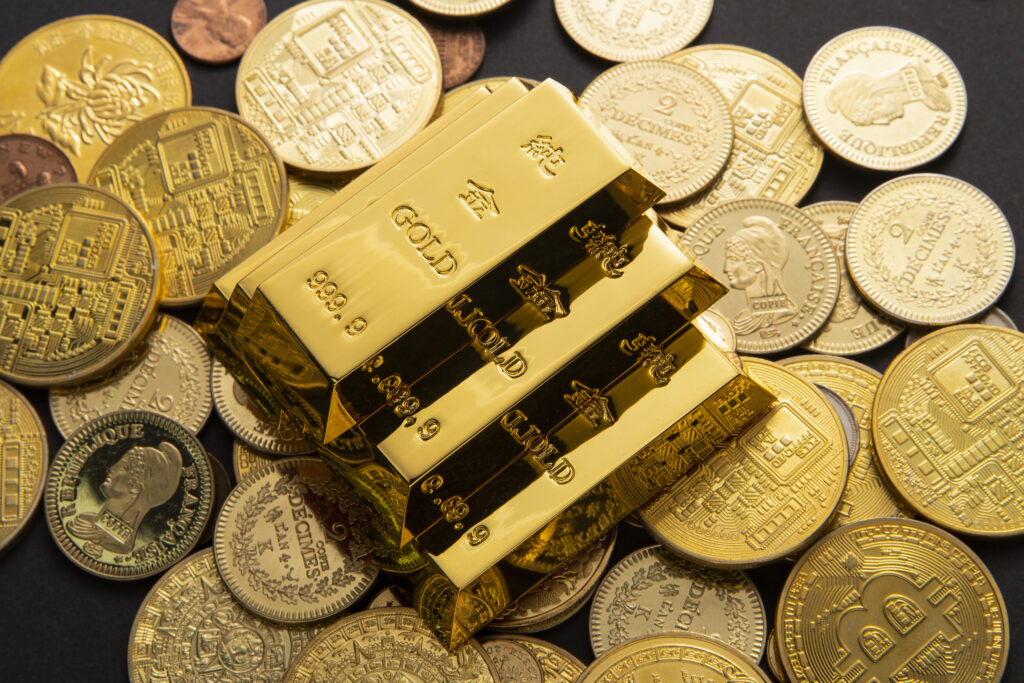
Another important reason behind recent weakness in the precious metals market is profit-taking by institutional investors. Large financial institutions, hedge funds, and asset managers often hold significant positions in gold. When prices rally strongly over a period of time, these big players eventually book profits. During this phase, gold is falling due to increased selling activity from major market participants.
Market corrections are a normal part of any financial trend. Gold does not move in one straight line. After a strong upward rally, prices usually pull back as traders lock in gains. This type of correction does not always mean a long-term trend reversal. However, during the correction phase, gold is falling because selling pressure temporarily outweighs buying demand.
Institutional investors typically manage billions of dollars. When they decide to reduce exposure, even small percentage adjustments can create noticeable price movements. Their trades are large enough to influence short-term market direction. As these investors close profitable positions, additional supply enters the market, and gold is falling as a result of heavy volume selling.
Short-term traders often follow institutional activity. When they notice large sell orders or declining momentum, they may also start selling. This creates a chain reaction in the market. Stop-loss orders get triggered, technical support levels break, and momentum turns negative. In this environment, gold is falling faster due to combined institutional and retail selling pressure.
Another factor is portfolio rebalancing. Institutional investors regularly adjust their asset allocation. If gold has outperformed stocks or bonds over a certain period, portfolio managers may reduce gold holdings to maintain balance. This rebalancing process can add to short-term weakness. During such periods, gold is falling not because of fundamental weakness, but due to strategic asset management decisions.
Market sentiment also plays a role. If global economic conditions improve or risk appetite increases, large investors may shift capital from safe-haven assets into equities or other growth-focused investments. This rotation reduces demand for gold in the short term. As capital flows out of the precious metals sector, downward pressure increases.
It is important to understand that profit-taking is a natural and healthy part of the market cycle. Corrections allow prices to stabilize and remove excessive speculation. For long-term investors, temporary pullbacks can sometimes create new entry opportunities. However, in the short term, selling pressure from institutional investors can make price movements appear more dramatic.
Inflation Expectations Changing
Gold is widely known as a hedge against inflation. When the cost of living rises and purchasing power declines, investors often buy gold to protect their wealth. Historically, gold has performed well during periods of high inflation because it preserves value over time. However, when inflation expectations begin to change, market behavior also shifts. In such situations, gold is falling as demand for inflation protection weakens.
Inflation expectations play a key role in gold pricing. It is not only current inflation that matters, but what investors believe will happen in the future. If markets expect inflation to remain high or increase further, gold usually gains strength. On the other hand, if economic data shows inflation slowing down, investors may feel less need to hold gold. As expectations decline, gold is falling due to reduced buying interest.
Central bank policies strongly influence inflation trends. When central banks raise interest rates aggressively, they aim to control rising prices. If these policies start working and inflation begins to ease, investor confidence improves. With inflation under control, the urgency to buy gold as a hedge decreases. This shift in sentiment is one reason why gold is falling during periods of stabilizing prices.
Another factor is real interest rates. Real rates are calculated by subtracting inflation from nominal interest rates. When inflation slows but interest rates remain high, real yields increase. Higher real yields make bonds and other fixed-income investments more attractive compared to gold. Since gold does not generate income, investors may prefer assets that provide returns. As capital moves into yield-bearing investments, gold is falling due to lower demand.
Market psychology also changes when inflation slows. During high inflation periods, fear dominates financial markets. Investors worry about currency devaluation and economic instability. But when inflation data shows improvement, optimism can return. Traders may shift their focus toward stocks and growth assets instead of safe-haven metals. This rotation of capital adds to the pressure, and gold is falling as a result of shifting priorities.
Short-term traders closely monitor inflation reports such as the Consumer Price Index (CPI) and Producer Price Index (PPI). When these reports come in lower than expected, gold often reacts negatively. Immediate selling pressure can follow, especially if the data strengthens the case for stable or lower inflation ahead.
In conclusion, gold performs best when inflation fears are strong and rising. However, when inflation begins to slow and economic stability improves, demand for gold weakens. Changing inflation expectations reduce the metal’s appeal as a protective asset. As long as inflation remains under control and real yields stay elevated, downward pressure on gold prices may continue.

Stock Market Strength
Another major reason behind recent weakness in gold prices is the strength of the stock market. When equity markets perform well, investor confidence usually increases. Strong corporate earnings, positive economic data, and steady growth encourage investors to move money into stocks. During such periods of optimism, gold is falling because investors reduce their exposure to safe-haven assets.
Gold is traditionally viewed as a defensive investment. Traders buy it during times of uncertainty, recession fears, or geopolitical tensions. However, when stock markets rally and economic conditions appear stable, investors become more willing to take risks. This shift from safety to growth assets reduces demand for gold. As a result, gold is falling while equities continue to gain momentum.
Investor confidence plays a powerful role in financial markets. When confidence is high, capital flows into assets that offer higher potential returns. Stocks, technology companies, and emerging markets become more attractive compared to gold. Since gold does not generate dividends or growth income, it becomes less appealing during bullish equity trends. In this environment, gold is falling due to declining safe-haven demand.
Portfolio allocation strategies also change when stocks perform strongly. Institutional investors often rebalance their portfolios based on performance. If equities are delivering strong returns, fund managers may increase their stock holdings and reduce positions in defensive assets like gold. This portfolio rotation adds selling pressure, contributing to gold‘s short-term decline.
Another important factor is market sentiment. Rising stock indices signal economic strength and stability. When investors believe the economy is expanding and corporate profits are growing, they feel less need to protect their capital with gold. Instead, they chase growth opportunities. This reduction in hedging activity often leads to gold is falling during extended stock market rallies.
Short-term traders closely monitor the relationship between major stock indices and gold prices. When indices such as the S&P 500 or Nasdaq trend higher, gold often struggles to maintain upward momentum. Technical traders may even use strong equity performance as a signal to sell gold positions. Increased selling volume can accelerate downward moves.
It is important to understand that this shift does not mean gold loses its long-term value. Gold still serves as a hedge against unexpected risks. However, in periods of strong stock market performance and high investor optimism, risk appetite dominates market behavior.
In conclusion, stock market strength reduces the demand for safe-haven assets. When confidence rises and investors seek higher returns, money flows into equities instead of gold. This capital rotation is a key reason behind recent pressure in the precious metals market.
Conclusion
The recent decline in gold prices in 2026 is not happening without reason. A stronger U.S. dollar, rising interest rates, reduced inflation fears, and profit-booking by institutional investors have all contributed to the downward pressure. In addition, technical breakdowns and shifting investor sentiment have accelerated the selling momentum.
However, it is important to understand that gold has always moved in cycles. Short-term corrections do not necessarily signal the end of its long-term value. Economic uncertainty, geopolitical tensions, and central bank policies can quickly change market direction.
For traders and investors, the key is not to panic but to analyze the bigger picture. Monitoring macroeconomic indicators, support levels, and global financial trends can help in making informed decisions.
Whether this drop turns into a prolonged bearish phase or a temporary correction will depend on how global economic conditions evolve in the coming months. Smart investors stay prepared for both scenarios.