1: What Is Risk Management in Forex Trading?
Risk management in forex is one of the most important concepts every trader must understand before entering the market. It refers to the process of protecting your trading capital by controlling losses and managing your exposure to risk. In simple terms, risk management in forex is about making sure that no single trade can significantly damage your account.
Forex trading is highly volatile, and prices can move rapidly within seconds. Without a proper plan, traders can easily lose their money. That is why professional traders always prioritize risk management in forex over chasing profits. They understand that protecting capital is the first step toward long-term success.
One of the biggest reasons traders fail is that they ignore proper risk control. Many beginners enter the market with unrealistic expectations and risk too much on a single trade. They often use high leverage and avoid setting stop-loss orders. Without risk management in forex, even a small mistake can lead to a large loss, wiping out a big portion of the account.
Another common issue is emotional trading. When traders lose money, they try to recover quickly by taking bigger risks. This behavior leads to revenge trading and poor decision-making. Solid risk management in a forex strategy helps eliminate emotions by setting clear rules that traders must follow regardless of market conditions.
A key principle of risk management is position sizing. This means deciding how much of your account you will risk on each trade. Most successful traders risk only 1% to 2% of their total capital per trade. This approach ensures that even after several losing trades, the account remains stable. Proper risk management in forex allows traders to stay in the market longer and recover from losses gradually.
Stop-loss orders are another essential tool. A stop-loss automatically closes your trade when the market moves against you by a certain amount. This prevents small losses from turning into large ones. Traders who ignore stop losses often hold losing positions, hoping the market will reverse, which usually leads to bigger losses. Using stop losses is a core part of effective risk management in forex.
Risk-reward ratio is also an important concept. It refers to how much you are willing to risk compared to how much you expect to gain. For example, risking $10 to make $20 gives you a 1:2 risk-reward ratio. This means you can still be profitable even if you lose more trades than you win. Combining a good risk-reward ratio with strong risk management in forex can significantly improve trading performance.
Another important aspect is consistency. Successful traders follow the same risk rules on every trade. They do not increase their risk randomly or change strategies based on emotions. Consistency in applying risk management in forex builds discipline and helps traders achieve steady growth over time.
Capital preservation is the mindset that separates professionals from beginners. Instead of focusing only on profits, experienced traders aim to protect their capital first. They understand that opportunities in the forex market are endless, but their trading capital is limited. By focusing on risk management in forex, they ensure they can continue trading even after a series of losses.
2. The 1% Rule — How Much to Risk Per Trade
The 1% rule is one of the most powerful principles in forex trading, especially when it comes to protecting your account from major losses. It simply means that you should never risk more than 1% of your total trading capital on a single trade. This rule is a core part of risk management in forex, helping traders survive losing streaks and stay consistent over time.
In forex trading, losses are unavoidable. Even the best traders in the world experience losing trades. However, what separates successful traders from beginners is how they manage those losses. By following the 1% rule, traders ensure that no single trade can significantly damage their account. This is why risk management in forex is considered more important than strategy itself.
Let’s understand this with a simple example. If you have a $100 trading account, risking 1% means you are only risking $1 per trade. If your stop-loss is hit, you will lose just $1. This might seem small, but it protects your account from big losses. Proper risk management in forex is not about making quick money—it is about staying in the game long enough to grow your account steadily.
One of the biggest advantages of the 1% rule is that it helps control emotions. When traders risk too much, they become emotionally attached to trades. Fear and greed start to influence their decisions. But when you risk only 1%, losses become easier to handle. This keeps your mindset calm and disciplined, which is a key part of risk management in forex.
Another benefit of the 1% rule is account survival. Imagine losing 10 trades in a row. If you risk 10% per trade, your account could be wiped out. But if you risk only 1%, you would lose just 10% of your account, which is much easier to recover. This clearly shows why risk management in forex is essential for long-term success.
Position sizing plays a crucial role in applying the 1% rule. It determines how many lots or units you should trade based on your account size and stop-loss distance. For example, if your stop-loss is wide, you must reduce your lot size to keep the risk within 1%. This balance between stop-loss and position size is the foundation of effective risk management in forex.
Many beginners make the mistake of focusing only on profits. They ignore how much they are risking and end up blowing their accounts. The 1% rule forces traders to think about risk first. This shift in mindset—from profit-focused to risk-focused—is what defines successful trading. That is why experts always emphasize risk management in forex before anything else.
It is also important to combine the 1% rule with a good risk-reward ratio. For example, if you risk 1% to make 2% or more, you can be profitable even if you win fewer trades. This combination creates a strong trading system where profits grow while losses remain controlled. Once again, this highlights the importance of risk management in forex in building a sustainable strategy.
Discipline is the key to making the 1% rule work. Many traders understand the rule but fail to follow it consistently. They increase their risk after a few losses or try to recover quickly. This behavior leads to bigger losses and account damage. Sticking to the 1% rule requires patience, consistency, and trust in the process of risk management in forex.
3. How to Set Stop Loss Orders Correctly
Setting a stop loss correctly is one of the most important skills every trader must learn. A stop loss is a tool that automatically closes your trade when the market moves against you. It helps protect your capital and keeps your losses under control. Understanding risk management in forex is impossible without learning how to place stop losses properly.
In forex trading, the market can move very fast, and unexpected price changes can happen at any time. Without a stop loss, traders expose themselves to unlimited losses. This is why professional traders always include stop-loss placement as a key part of their risk management in a forex strategy.
A good stop loss should never be placed randomly. It must be based on technical analysis, such as support and resistance levels, trend lines, or chart patterns. Placing your stop loss at logical levels increases the chances of your trade surviving normal market fluctuations. This approach strengthens your overall risk management in forex plan.
There are two main types of stop losses: fixed and trailing. A fixed stop loss stays at a specific level until the trade is closed. For example, if you set a 30-pip stop loss, it will not move unless you manually adjust it. This method is simple and works well for beginners who are still learning risk management in forex.
A trailing stop loss, on the other hand, moves with the market when the trade goes in your favor. If the price increases, the stop loss follows at a set distance, locking in profits. However, if the market reverses, the stop loss stays where it is and closes the trade. This method is useful for capturing long trends while still applying strong risk management in forex principles.
Another effective way to set stop losses is by using the Average True Range (ATR) indicator. ATR measures market volatility and helps traders place stops based on how much the price typically moves. For example, if the ATR value is 20 pips, you might set your stop loss at 30 or 40 pips. This allows your trade enough space to move naturally while maintaining proper risk management in forex.
Using ATR-based stop losses is especially helpful in volatile market conditions. It prevents traders from placing stops that are too tight or too wide. By adjusting your stop loss according to market conditions, you can improve your trading performance and maintain consistent risk management in forex.
Despite its importance, many traders make common mistakes when setting stop losses. One of the biggest mistakes is placing stops too close to the entry point. This causes trades to close prematurely due to normal market noise. A well-placed stop loss should give your trade enough room to breathe.
Another mistake is not using a stop loss at all. Some traders believe they can manually close trades when needed, but this often leads to emotional decisions. Without a stop loss, losses can quickly become uncontrollable. This completely ignores the basic principles of risk management in forex.
Moving your stop loss further away after entering a trade is another dangerous habit. This increases your risk and goes against your original trading plan. Instead of reducing losses, you are allowing them to grow. A disciplined trader always sticks to their risk management in the forex rules.
It is also important to consider your position size when setting a stop loss. A wider stop loss means you should trade a smaller lot size to keep your risk constant. This balance between stop loss and position size is essential for effective risk management in forex.
In conclusion, setting stop loss orders correctly is a fundamental part of successful trading. It protects your capital, reduces emotional stress, and helps you trade with discipline. Whether you use fixed stops, trailing stops, or ATR-based methods, the goal is always to control your risk.

4. Position Sizing in Forex — Lot Size Calculator Guide
Position sizing in forex is the process of determining how much volume or lot size you should trade on each position. It is a key part of risk management in forex because it helps control how much money you risk on every trade. Without proper position sizing, even a good strategy can lead to big losses.
In forex trading, lot sizes are divided into three main types: standard, mini, and micro. A standard lot is equal to 100,000 units of a currency, a mini lot is 10,000 units, and a micro lot is 1,000 units. For beginners, micro and mini lots are more suitable because they entail lower risk. Choosing the correct lot size is essential for effective risk management in forex.
The main purpose of position sizing is to match your trade size with your account balance and risk level. For example, if you have a small account, trading large lot sizes can quickly wipe out your capital. That is why professional traders always focus on risk management in forex before deciding their position size.
There is a simple formula used to calculate position size:
Position Size = (Account Balance × Risk %) ÷ Stop Loss (in pips)
This formula helps traders control their risk on every trade. For example, if you have a $100 account and risk 1% ($1) with a 20-pip stop-loss, your position size will be adjusted accordingly. This ensures that your losses remain small and manageable, which is the core of risk management in forex.
Using a lot size calculator can make this process easier. Many trading platforms and online tools automatically calculate your position size based on your account balance, risk percentage, and stop-loss distance. This saves time and reduces calculation errors while improving your risk management in forex strategy.
Practical examples can help you understand better. Suppose you have a $500 account and you decide to risk 2% per trade, which is $10. If your stop loss is 50 pips, your lot size should be small enough so that a 50-pip loss equals $10. This is how traders maintain consistent risk management in forex.
Another example: if your account is $1000 and you risk 1%, you are risking $10 per trade. By adjusting your lot size based on your stop loss, you can ensure that your risk remains fixed regardless of market conditions. This consistency is what makes risk management in forex effective.
One common mistake traders make is using the same lot size for every trade without considering stop-loss distance. This can lead to inconsistent risk. A proper position sizing approach adjusts the lot size for each trade, ensuring that the risk remains the same every time.
5. Understanding Risk-Reward Ratio
The risk-reward ratio (R:R) is a key concept in trading that compares how much you are willing to risk on a trade versus how much you aim to gain. For example, if you risk $10 to make $20, your risk-reward ratio is 1:2. This concept plays a major role in risk management in forex, as it helps traders balance potential profits with controlled losses.
A good risk-reward ratio depends on your strategy, but many traders prefer ratios like 1:2 or 1:3. This means you are aiming to make two or three times more than what you risk. Using such ratios strengthens your risk management in the forex approach because even if you lose several trades, one winning trade can recover your losses.
For example, in a 1:2 ratio, you risk $10 to make $20. In a 1:3 ratio, you risk $10 to make $30. These setups allow traders to stay profitable even with a lower win rate. This is why professional traders always combine strong setups with proper risk management in forex.
The risk-reward ratio directly affects your win rate requirements. If you use a 1:1 ratio, you need to win more than 50% of your trades to be profitable. But with a 1:2 ratio, you can be profitable even if you win only around 40% of your trades. This shows how powerful risk management in forex can be when applied correctly.
In simple terms, the higher your reward compared to your risk, the less often you need to win. This reduces pressure and allows traders to focus on quality trades instead of quantity. By maintaining a proper risk-reward ratio, traders can improve consistency and long-term performance through effective risk management in forex.
6. Leverage and Margin — Managing Your Exposure
Leverage is a powerful tool in forex trading that allows you to control a larger position with a smaller amount of capital. While it can increase potential profits, it also amplifies risk. This is why understanding leverage and margin is essential for effective risk management in forex. Using too much leverage can turn small losses into significant account drawdowns very quickly.
For beginners, it’s important to use safe leverage levels. Many new traders are tempted to use 1:100 or even higher, but this can be extremely risky. Starting with lower leverage, such as 1:10 or 1:20, helps control losses while still allowing meaningful market exposure. Maintaining safe leverage is a key part of risk management in forex, ensuring that a few losing trades do not wipe out your account.
Margin is the amount of money required to open and maintain a leveraged position. If your account balance falls below the required margin, your broker may issue a margin call, forcing you to either deposit more funds or close positions. Understanding how margin works and keeping a buffer in your account is critical to avoid margin calls and stay in control of your trades.
Leverage amplifies both profits and losses. For example, with 1:50 leverage, a 2% market move can translate into a 100% gain or loss on your invested capital. Without proper risk management in forex, high leverage can lead to emotional trading, overtrading, and severe losses. That’s why combining leverage with stop losses and proper position sizing is essential.
To prevent overexposure, traders should calculate their risk per trade before using leverage. Only risk a small percentage of your account, even when leverage allows you to take larger positions. This disciplined approach is a cornerstone of effective risk management in forex and protects your capital over the long term.
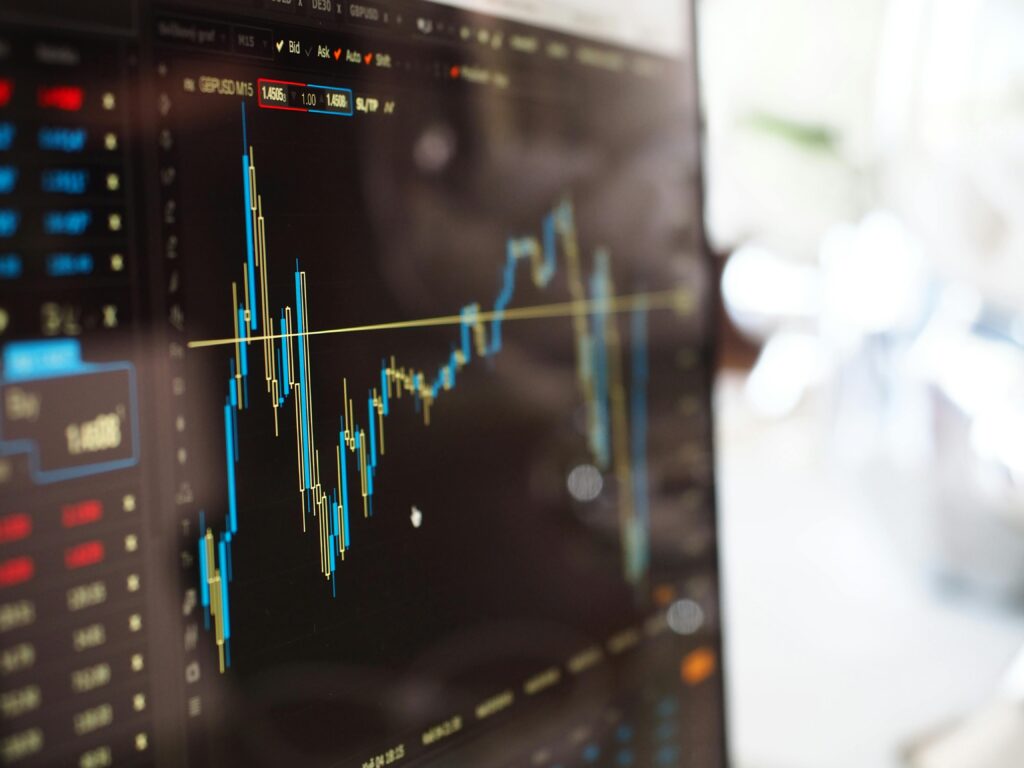
7. Emotional Discipline — The Psychology of Risk
Emotional discipline is one of the most important aspects of successful forex trading. Many traders focus solely on strategies and indicators but fail to control their emotions. Without emotional discipline, even the best strategy can fail. Understanding the psychology of risk is essential to maintain consistent profits. Practicing risk management in forex is not just about numbers—it’s also about controlling your mindset.
One of the most common emotional pitfalls in trading is revenge trading. Revenge trading happens when a trader suffers a loss and immediately tries to recover it with impulsive trades. These trades are usually poorly planned and involve higher risk. Revenge trading ignores risk management in forex principles and often leads to even bigger losses. Controlling the urge to “get back at the market” is critical for long-term success.
Another emotional challenge is overtrading. Many traders enter too many trades in a short period, often driven by excitement, boredom, or frustration. Overtrading increases exposure to the market and magnifies risk. It can quickly erode your account balance, even if individual trades follow a strategy. Applying strong risk management in forex rules helps prevent overtrading by limiting risk per trade and encouraging patience.
A powerful tool to manage emotions is a trading journal. A trading journal records every trade, including entry and exit points, reasons for taking the trade, outcomes, and personal emotions. By reviewing your journal regularly, you can identify emotional patterns such as revenge trading or impulsive decisions. A journal also reinforces risk management in forex by helping you analyze whether your trades follow your pre-defined risk rules.
Emotional discipline also involves accepting losses as part of trading. Every trader experiences losing trades, even experts. What matters is how you handle those losses. Traders with strong emotional discipline do not let a single loss affect their next decision. They maintain their position size, stop-loss levels, and trading strategy. This mindset supports consistent risk management in forex and prevents impulsive mistakes.
Stress management is another key factor. Forex trading can be intense, especially in volatile markets. Stress can impair judgment and lead to emotional decision-making. Techniques such as meditation, deep breathing, or taking short breaks from trading can improve emotional control. When your mind is calm, following the risk management in forex rules becomes much easier.
Setting realistic expectations is also part of emotional discipline. Many traders enter the forex market hoping to make large profits quickly. When reality does not meet these expectations, they may take unnecessary risks or deviate from their strategy. By understanding that losses are natural and profits take time, traders can maintain patience and stick to proper risk management in forex practices.
Another aspect of emotional discipline is maintaining consistency. Emotional reactions often lead to changing your trading plan mid-course. For example, after a few losing trades, a trader might increase risk or ignore stop-loss rules. Sticking to a plan, following position sizing, and maintaining stop-loss discipline are all crucial components of risk management in forex and long-term trading success.
Peer influence can also affect emotional discipline. Some traders feel pressured to take trades because of tips or social media trends. Following the crowd can lead to impulsive decisions and higher risk. Emotional discipline means trusting your strategy, analyzing trades objectively, and maintaining your own risk management in forex standards.
Finally, reviewing and learning from mistakes is essential. Every loss provides an opportunity to improve. By analyzing why a trade went wrong, whether due to market conditions or emotional mistakes, traders can adjust their approach. This continuous learning reinforces risk management in forex and strengthens mental resilience.
8. Risk Management Plan — How to Build Yours
A solid risk management plan is essential for any forex trader who wants to survive and succeed in the markets. A plan helps you control losses, manage risk, and maintain discipline during both winning and losing streaks. Proper risk management in forex is not random; it is a structured approach that guides your decisions before, during, and after every trade.
Step-by-Step Plan Template
Building a risk management plan starts with defining clear rules and limits for your trading. Here is a step-by-step template:
- Set Your Risk Per Trade: Decide how much of your account you are willing to risk on a single trade. Most traders risk 1–2% of their total capital per trade. This ensures that even a series of losses will not wipe out your account, a fundamental part of risk management in forex.
- Determine Your Stop-Loss Levels: Define where your stop-loss orders will be placed for every trade. Use technical analysis, volatility indicators like ATR, or support and resistance levels to decide logical stop-loss points. Proper stop-loss placement is critical for minimizing losses.
- Define Your Risk-Reward Ratio: Establish a minimum risk-reward ratio for your trades, such as 1:2 or 1:3. This ensures that your potential reward is always higher than the risk you take, improving the chances of long-term profitability while practicing strong risk management in forex.
- Position Sizing: Decide the lot size or volume for each trade based on your risk per trade and stop-loss distance. Using a lot size calculator or the position sizing formula can help you maintain consistent risk across trades.
- Daily Loss Limits: Set a maximum loss limit per day. If you hit this limit, stop trading for the day. This prevents emotional decisions, revenge trading, and overtrading, which are common risks in forex. Daily loss limits are a cornerstone of effective risk management in forex.
- Rules for Drawdown Recovery: Define how you will handle account drawdowns. Avoid increasing risk to recover losses quickly. Instead, stick to your risk rules, reduce position sizes if needed, and focus on disciplined, consistent trading. This protects your capital and ensures you can recover safely over time.
FAQ
1. What percentage of capital should I risk per trade?
Most professional traders risk only 1–2% of their total trading capital on a single trade. This small risk ensures that even a series of losing trades won’t wipe out your account. The exact percentage depends on your risk tolerance and trading strategy, but sticking to 1–2% is a key rule of risk management in forex.
2. What are the best risk management tools in forex?
Several tools can help you manage risk effectively:
- Stop-Loss Orders: Automatically close trades when the market moves against you.
- Take-Profit Orders: Lock in profits at a predetermined level.
- Position Sizing Calculator: Determines the correct lot size based on your account and risk percentage.
- Trailing Stops: Adjust automatically to secure profits as the trade moves in your favor.
Using these tools together is crucial for proper risk management in forex.
3. Is forex high risk?
Yes, forex trading is considered high risk because currency prices can move rapidly and unpredictably. Leverage amplifies both profits and losses, making risk management essential. By following strict rules, using stop-loss orders, and applying proper position sizing, traders can control their exposure and minimize risk. Effective risk management in forex helps balance potential rewards with these inherent risks.
Most professional traders risk only 1–2% of their total trading capital on a single trade. This small risk ensures that even a series of losing trades won’t wipe out your account. The exact percentage depends on your risk tolerance and trading strategy, but sticking to 1–2% is a key rule of risk management in forex.
Several tools can help you manage risk effectively:
- Stop-Loss Orders: Automatically close trades when the market moves against you.
- Take-Profit Orders: Lock in profits at a predetermined level.
- Position Sizing Calculator: Determines the correct lot size based on your account and risk percentage.
- Trailing Stops: Adjust automatically to secure profits as the trade moves in your favor.
Using these tools together is crucial for proper risk management in forex.
Yes, forex trading is considered high risk because currency prices can move rapidly and unpredictably. Leverage amplifies both profits and losses, making risk management essential. By following strict rules, using stop-loss orders, and applying proper position sizing, traders can control their exposure and minimize risk. Effective risk management in forex helps balance potential rewards with these inherent risks.